

Home renovations consistently exceed budgets by 20-30%, affecting the home’s interior with layout decisions being the primary cost driver. Strategic tweaks to the home's interior—such as optimizing room flow, updating lighting, or reconfiguring spaces—can lead to significant savings and improved aesthetics, making your renovation more cost-effective and visually appealing. The difference between a $15,000 kitchen renovation and a $45,000 one often comes down to strategic planning and working with your home’s existing infrastructure rather than against it.
While most homeowners focus on finishes and fixtures, interior designers know that the biggest savings come from smart layout decisions made early in the planning process. These five interior layout tweaks, which serve as top tips, can help you save thousands while still achieving the transformation you want for your house.
The key to affordable renovating lies in understanding that major cost drivers include moving plumbing lines, relocating electrical systems, and structural modifications. By making strategic layout choices that work within your home’s current framework, you can create a big difference in both functionality and aesthetics without the huge impact on your budget that major structural changes bring.
Introduction to Cost-Effective Home Renovations
Cost-effective home renovations can make a significant difference in both the value and look of your house, all without straining your budget. Interior designers often suggest starting with small, affordable changes—like updating lighting fixtures or giving your walls a fresh coat of paint—to create a huge impact on any room’s ambiance. By focusing on budget-friendly solutions, you can achieve a high-end feel without the high-end price tag. For instance, shopping for existing furniture on Facebook Marketplace or at local thrift stores is an affordable way to find unique pieces that add character and style to your space. Other effective ways to renovate on a budget include tackling simple DIY projects, repurposing materials you already have, and consulting with a design consultant for expert advice. These strategies help you create a home that feels new and valuable, all while keeping costs in check.
Keep Your Existing Plumbing and Electrical Layout
The most effective way to control remodeling costs is to design your new layout around existing plumbing and electrical infrastructure. Moving plumbing lines can cost $2,500-$4,000 per bathroom or kitchen, while electrical panel relocations and major rewiring can add $1,200-$3,000 to your project budget.
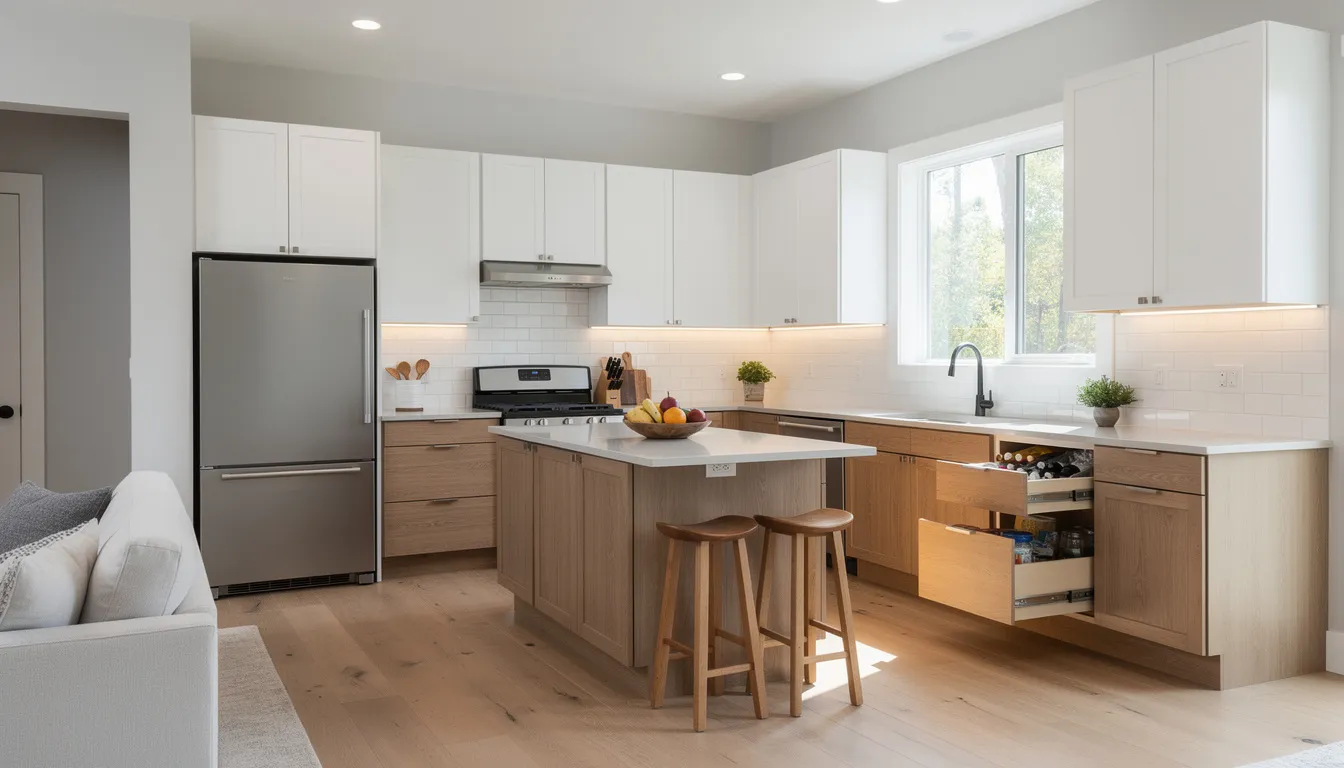
When planning your kitchen renovation, design your kitchen island around existing electrical outlets instead of running new circuits. This simple decision can save you hundreds in an affordable way while still providing the functionality you need. Position your island where existing outlets can serve it, or use decorative cord management solutions to connect appliances to nearby power sources.
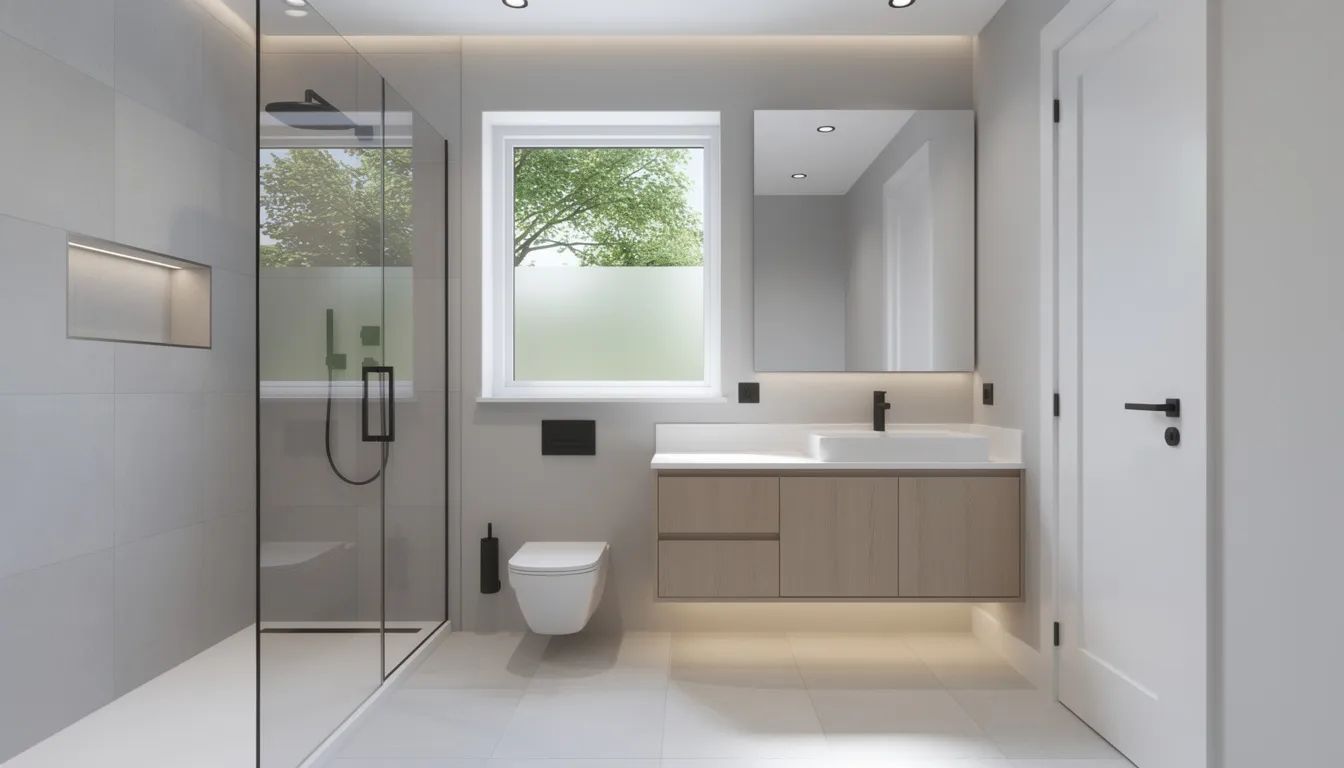
In bathroom renovations, keep fixtures in their current positions and upgrade them in place. A new vanity, modern toilet, and updated shower fixtures can give your bathroom a new life and completely transform its appearance while working within the existing plumbing layout. This approach allows you to invest your money in high-end finishes rather than expensive infrastructure changes.
Smart designers also plan layouts around existing HVAC ductwork locations. Moving heating and cooling ducts requires cutting into walls, ceilings, and floors, then patching and refinishing all affected surfaces. Instead, plan your furniture layout and room flow to accommodate existing vent locations, which prevents major cost overruns while maintaining comfortable climate control, aligning with nature .
Working within existing electrical panel locations saves substantial money on rewiring projects. Rather than moving switches and outlets, plan your lighting scheme and appliance placement to work with current electrical infrastructure. This approach keeps your project in the affordable renovation category while still allowing for meaningful updates.
Remove Non-Load Bearing Walls Instead of Building New Ones
Strategic wall removal costs $500-$1,500 compared to building new walls, which can run $1,800-$8,000 depending on electrical and plumbing considerations. This cost difference makes opening up existing space far more budget-friendly than creating new enclosed areas, which makes a lot of sense .
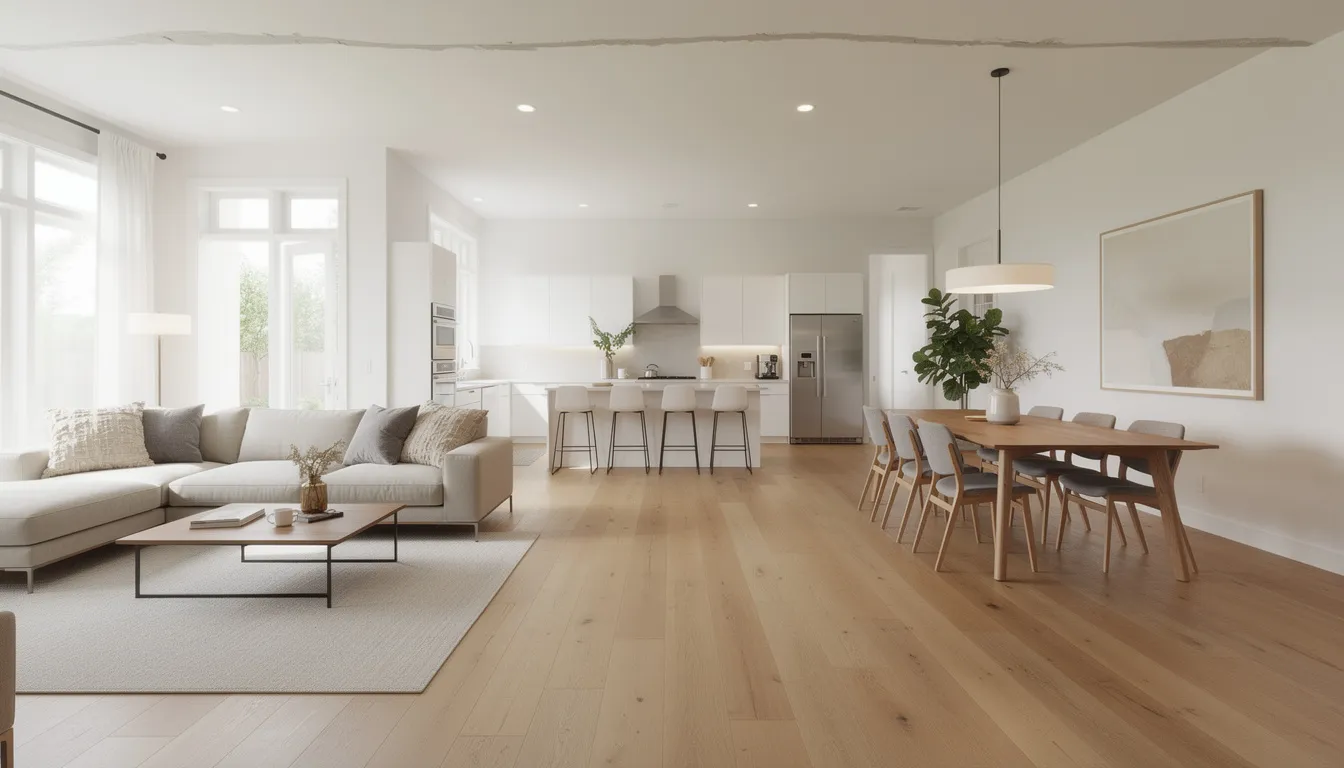
Open up galley kitchens to dining rooms by removing the separating wall between them. This single change can make your entire downstairs feel larger and more modern while improving flow for daily life. The enhanced natural light and improved conversation areas make this one of the highest-impact changes you can make on a budget.
Combine small living and dining rooms into one larger entertaining space by removing the dividing partition. This creates more space for gatherings and allows for flexible furniture arrangements that can serve multiple purposes throughout the day, adding a touch of fun . The increased usable space often eliminates the feeling that you need to build an addition.
After opening up spaces, consider updating or painting doors in the newly connected areas. Using doors as a focal point—such as painting them a contrasting color—can be a high-impact, budget-friendly way to enhance the aesthetic appeal and create a visual highlight in your renovated layout.
Always consult a structural engineer before removal to ensure walls are non-load bearing. This consultation typically costs $300-$500 but prevents catastrophic and expensive mistakes. Load-bearing walls require special consideration and engineered support systems that significantly increase costs, so identifying them early, perhaps with the help of the facebook marketplace, is crucial for budget planning.
Use partial wall removal to create pass-throughs instead of full openings when you want to maintain some separation while improving flow. A pass-through opening can provide visual connection and improved lighting while preserving wall space needed for kitchen cabinets or storage, where you might choose to hang some decorative elements . This compromise approach often costs half as much as full wall removal while still achieving your layout goals.
Repurpose Existing Rooms Rather Than Adding Square Footage
Converting existing rooms serves new functions while saving the $15,000-$30,000 typically required for home additions. This strategy maximizes your current footprint and can provide exactly the space you need for your daily basis without the complexity and cost of new construction.
Transform formal dining rooms into home offices, which has become increasingly valuable as remote work continues. Add built-in desk surfaces along one wall, install proper task lighting, and create storage for office supplies. This conversion typically costs $2,000-$5,000 compared to building a new office addition, while providing dedicated workspace that doesn’t interfere with family life, contributing to a better interior design.
Convert unused guest bedrooms into walk-in closets or craft rooms that serve your household’s actual needs. Many homes have guest rooms that sit empty most of the year while family members struggle with inadequate storage or workspace. A bedroom conversion can provide luxury amenities like a custom closet system or dedicated hobby space at a fraction of addition costs, and you can also add plants for a fresh atmosphere. When updating these spaces, consider replacing or refurbishing cushions on sofas or chairs—this simple change can extend the life of your existing furniture and give the room a fresh look without the expense of buying new pieces.
Turn basement storage areas into functional family rooms with proper lighting and moisture control. Often, basements offer significant square footage that simply needs better lighting, flooring, and temperature control to become comfortable living space. This approach can double your usable space for the cost of finishes rather than structure, giving your home a new lease on life.
Convert oversized master bedrooms into bedroom plus ensuite bathroom configurations. Many older homes have large bedrooms that can accommodate a luxury bathroom addition within the existing room footprint. This internal conversion provides high-end amenities without expanding the house footprint or dealing with exterior construction challenges, so decide wisely.
Use oversized hallways and landings as reading nooks or workspaces. Wide corridors and large landing areas often represent wasted square footage that can become productive space with the addition of built-in seating, shelving, or a compact desk area. These micro-conversions add warmth and functionality without any structural work.
Work Within Existing Room Footprints and Door Openings
Planning renovations around current door and window positions saves $800-$2,000 per new opening while maintaining your home’s structural integrity. This approach focuses budget on finishes and functionality rather than expensive structural modifications.
Redesign kitchen layouts using existing doorway locations to maintain natural traffic flow while avoiding construction costs. Position your kitchen work triangle - the relationship between sink, stove, and refrigerator - to work efficiently within current openings. This constraint often leads to more thoughtful layouts that function better than arbitrary arrangements. By making the most of existing architectural features, you can achieve a designer-inspired look without the expense of major renovations.
Plan bathroom renovations around current door and window positions to avoid relocating plumbing vents and electrical circuits. Windows provide essential ventilation in bathrooms, and moving them requires both structural and envelope work. Working within existing openings allows you to focus spending on fixtures, finishes, and storage solutions that improve daily function.
Use existing closet openings for built-in shelving instead of creating new alcoves in other walls. Closets often offer perfect dimensions for custom storage, entertainment centers, or workspace solutions. Converting a closet requires only interior modifications, avoiding the complexity and cost of cutting new openings in structural walls.
Position furniture arrangements to work with current electrical outlet locations rather than adding new circuits. Plan your living room layout, bedroom configuration, and dining room setup around existing power sources. This approach keeps electrical work minimal while ensuring all your devices and lighting can connect conveniently.
Design storage solutions around existing architectural features like columns, beams, or built-in elements. These structural elements often seem like obstacles, but creative planning can incorporate them into custom storage or display solutions that look intentional and save money compared to trying to modify or hide them.
Use Furniture and Room Dividers Instead of Permanent Walls
Creating separate zones with furniture and flexible dividers costs $200-$800 compared to $1,800+ for building new walls, while providing adaptability for changing needs over time. This approach offers the flexibility to reconfigure spaces as your lifestyle evolves without major construction. Don’t be afraid to try bold or unconventional furniture arrangements or dividers—these changes are easily reversible and can lead to creative, money-saving solutions.
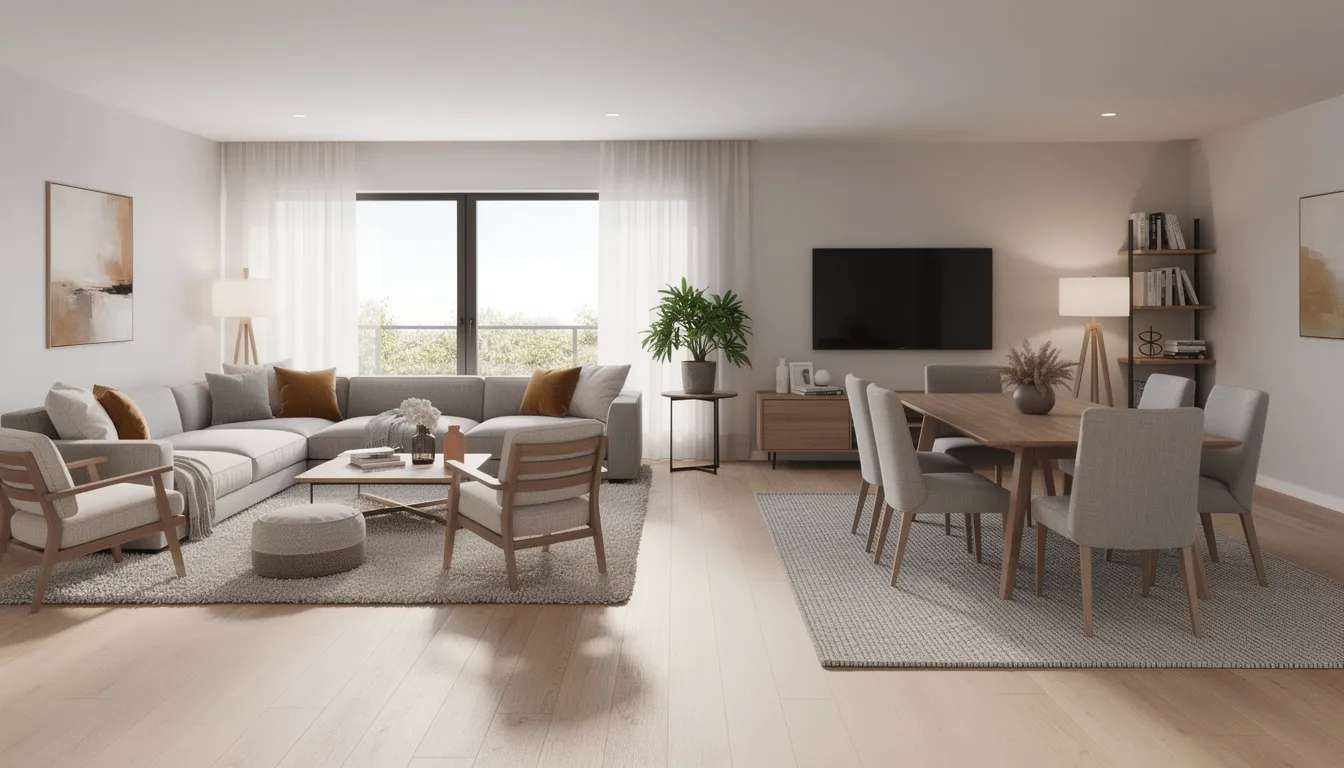
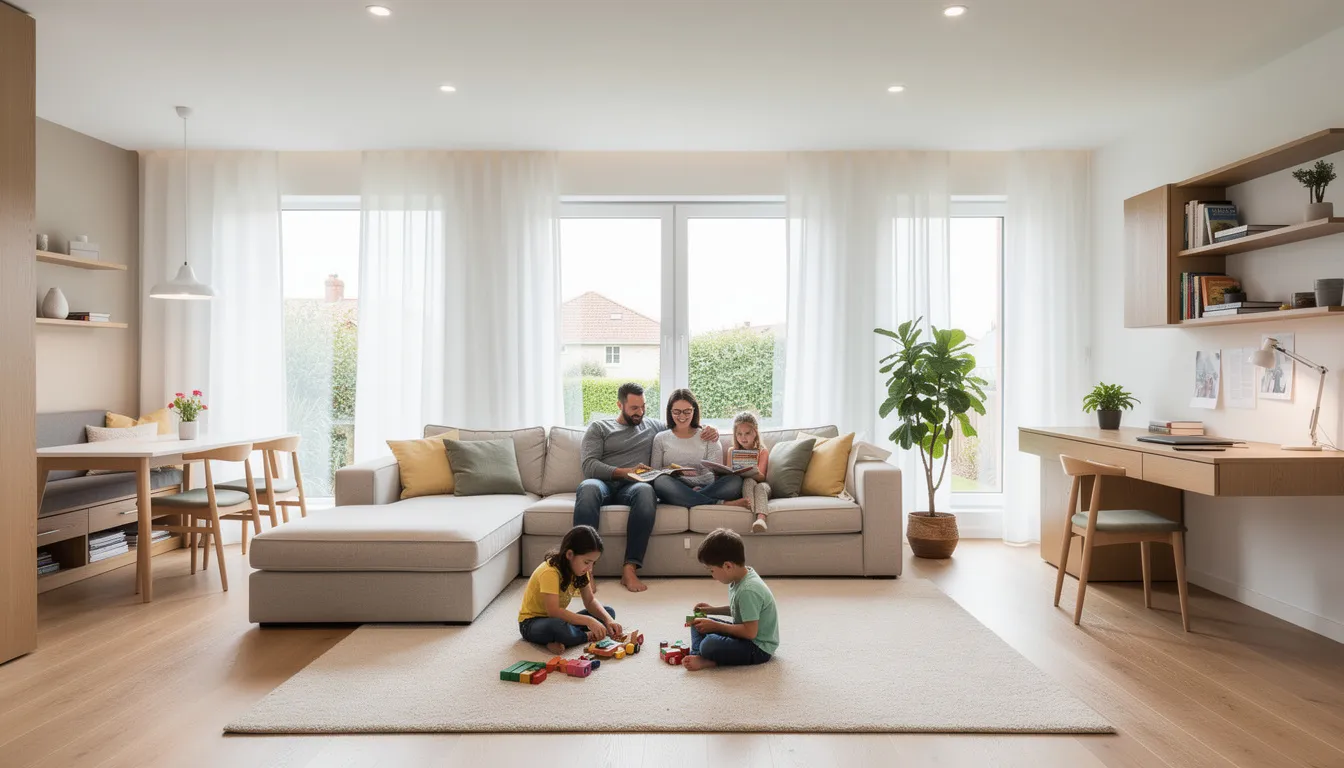
Use large furniture pieces like sofas to define living room boundaries in open concept spaces. A strategically placed sectional can create intimate conversation areas while maintaining the open feel that makes small spaces appear larger. This furniture-based zoning costs significantly less than permanent partitions while allowing future rearrangement.
Install floor-to-ceiling curtains to separate spaces for $100-$300 per divider. Heavy curtains on ceiling tracks can provide privacy and sound separation when needed while completely opening up when you want unified space. This solution works particularly well for creating temporary guest sleeping areas or home office zones.
Position kitchen islands and peninsula counters to create natural room divisions between cooking and living areas. These elements provide valuable workspace and storage while defining separate functional zones. Unlike walls, they maintain sightlines and conversation flow while clearly organizing the space.
Use different flooring materials or area rugs to visually separate spaces without any construction. A large area rug can define a living room seating area within an open plan, while different flooring materials can distinguish the kitchen from adjacent dining space. These visual cues create psychological separation at low cost.
Create zones with open shelving units and bookcases that provide storage while maintaining light flow. A tall bookcase can effectively separate a home office area from a living room while providing display space and remaining visually light. This approach offers functionality beyond simple division while staying within modest budgets.
Consider moveable room dividers and screens that can be repositioned as needed. These solutions cost a fraction of permanent walls while allowing you to experiment with different layouts. As family needs change, you can easily reconfigure spaces without construction disruption.
Maximizing Outdoor Spaces
Maximizing outdoor spaces is a top tip for creating more usable space and enhancing the overall flow of your home. By treating your patio, deck, or garden as an extension of your home’s interior, you can create inviting areas perfect for relaxation or entertaining guests. Adding comfortable seating, ambient lighting, and lush plants helps to establish a warm, welcoming atmosphere that encourages you to spend more time outdoors. Incorporating natural materials like wood or stone not only adds texture and warmth but also creates a sense of continuity between your indoor and outdoor spaces. Thoughtful design choices in your outdoor areas can make a significant difference in how spacious and cohesive your home feels, all while increasing its value and functionality.
Designing with Natural Materials
Designing with natural materials is a favorite strategy among interior designers for adding warmth, texture, and a sense of flow to any room. Elements like wood, stone, and plants can instantly make a space feel more inviting and comfortable. For instance, a wooden coffee table or a striking stone fireplace can serve as a beautiful focal point, bringing both elegance and a touch of nature indoors. Using natural materials often proves to be cost-effective, as they tend to require less maintenance and can sometimes be sourced locally, reducing overall renovation costs. Incorporating these materials helps create a seamless connection between different areas of your home, making each room feel more spacious and harmonious while adding lasting value.
DIY Projects and Renovations
DIY projects and renovations are an affordable way to give any room a new lease on life while adding your own personal touch. Simple tasks like painting walls, hanging curtains, or building custom furniture can save you money and make a big difference in the look and feel of your space. Creating a gallery wall with your favorite frames and artwork is a fun project that can instantly transform a room and showcase your personality. DIY renovations also offer the chance to upcycle or repurpose existing materials, which is both budget-friendly and environmentally conscious. With a bit of creativity and effort, you can achieve professional-looking results, breathe new life into your home, and enjoy the satisfaction of having created something unique.
Colour Scheme and Lighting
A well-thought-out colour scheme and lighting plan can have a huge impact on the ambiance and overall sense of space in your home. Interior designers recommend layering different types of lighting—such as recessed lighting, floor lamps, and table lamps—to create warmth and depth in any room. Choosing a colour palette that works with the natural light in your space can make rooms feel brighter and more open. For instance, painting walls and ceilings in light, airy colours helps reflect natural light, making even small spaces feel larger and more welcoming. By carefully planning your lighting and colour choices, you can create a harmonious, inviting atmosphere that enhances both the look and functionality of your home.
Maximizing Savings Through Strategic Planning
The most successful money-saving renovations begin with careful analysis of your current space and realistic assessment of what changes will provide the biggest impact. Interior designers consistently recommend investing time in planning before making any permanent modifications, as this upfront work prevents costly mistakes and ensures your budget goes toward changes that truly improve daily life.
Consider working with a design consultant for a few hours to review your layout options. This modest investment often pays for itself many times over by identifying cost-effective solutions you might not have considered. Professional insight can help you distinguish between wants and needs, focusing your budget on changes that provide lasting value.
Natural light plays a crucial role in how spaces feel, and many layout improvements center on better light distribution rather than actual size increases. Removing obstacles to windows, choosing lighter window treatments, and arranging furniture to maximize natural materials and outdoor spaces can make existing rooms feel significantly larger without construction.
Focus on one high-impact change at a time rather than trying to renovate everything simultaneously. This phased approach allows you to live with changes and understand what works before committing to additional modifications. It also spreads costs over time, making renovations more affordable and reducing the financial pressure that leads to poor decisions.
Remember that the goal of these interior layout tweaks is to make your existing space work better for your lifestyle rather than simply following trends. The most effective ways to save money involve understanding how your family actually uses each room and designing solutions that enhance those natural patterns.
When evaluating potential changes, always calculate the cost per square foot of usable space gained. Often, a $3,000 layout modification that makes 200 square feet more functional provides better value than a $20,000 addition that adds 150 square feet. This perspective helps prioritize improvements that offer the best return on investment.
These five interior layout tweaks can save homeowners thousands while creating the functional, beautiful spaces they want. By working with existing infrastructure, removing rather than building, repurposing current rooms, respecting architectural constraints, and using flexible solutions, you can achieve dramatic improvements on a reasonable budget. The key lies in strategic planning that prioritizes function over form and works with your home’s natural characteristics rather than against them. Before starting your next renovation project, evaluate these money-saving strategies to potentially transform your space while keeping costs under control.