

Americans spend an average of $1,200 annually on home decor and furnishings, yet many find themselves constantly replacing items that looked perfect on Instagram but proved impractical in real life. Interior designers warn that many trending decorating choices are designed to be replaced, not to last—creating a cycle that drains your budget while adding little lasting value to your space.
The reality is that many home décor trends are manufactured by retailers and social media platforms, not by genuine interior design needs. What looks stylish today often becomes tomorrow’s expensive mistake, leaving homeowners with costly mistakes that require quick fixes or full redesigns within just a few years.
Smart decorating isn’t about following every trend—it’s about making choices that enhance your lifestyle while protecting your investment. Here are seven home décor trends that represent a big waste of money, worth thinking about along with timeless alternatives that add comfort, personality, and lasting value to your space.
Bold Color-Drenching Paint Trends
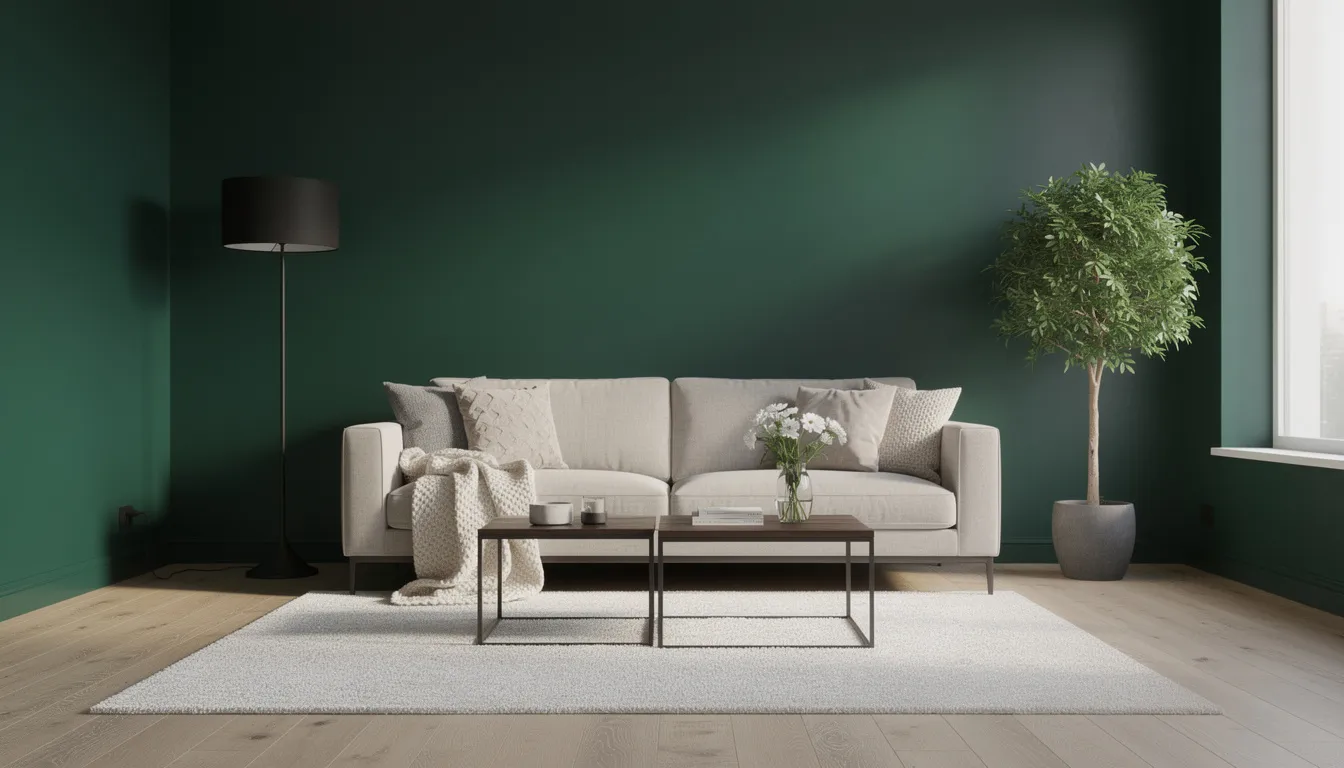
The trend of painting entire rooms in saturated colors like Viva Magenta (2023’s Pantone color of the year) or deep emerald green creates instant drama, but it comes with hidden costs that extend far beyond the initial paint purchase. Interior designers share concerns about how quickly these bold choices become dated, often requiring expensive repaints within 12-18 months when the next color trend emerges.
Consider the financial reality: repainting an average-sized room costs between $300-800 when you factor in quality paint, primer, brushes, rollers, and either your time or professional labor. Colors that felt fresh and modern in 2022—like millennial pink or sage green—now feel distinctly past their prime, forcing homeowners who embraced these trends to face the expense of starting over.
The bigger long term investments in your home should enhance its appeal to potential buyers, making selling easier not limit it. Bold, trend-driven paint colors can actually reduce a home’s marketability, as they force buyers to imagine the cost and effort of repainting before they can envision themselves in the space.
What to Do Instead
Choose timeless neutrals like warm whites, soft grays, or gentle beiges as your foundation. These classic colors provide a sophisticated backdrop that works with any décor style and won’t require frequent updates to stay current. Choosing these shades saves you money and effort in the long run, since you avoid frequent repainting and your home remains appealing to a wider range of buyers. Interior designers suggest slowing down the urge to paint entire rooms in trending colors and instead using smaller doses of bold hues through easily changeable elements.
If you crave color, designate one accent wall for removable wallpaper or paint just a single feature wall that can be easily changed. This approach gives you the visual impact you’re seeking while limiting the time, money, and disruption when you’re ready for something new. Focus your trendy color choices on accessories, artwork, and textiles that can evolve with your changing tastes without requiring construction-level updates.
Fast Fashion Furniture from Discount Retailers
The furniture industry has embraced the fast fashion model, producing pieces designed to look appealing in photos for cheap thrills but built to be replaced within a few years. While a $200 dresser from a big-box retailer might seem like a bargain compared to a $600 solid wood piece, the math tells a different story when you calculate the true cost over time.
Most particleboard furniture lasts 2-5 years with regular use, while quality solid wood pieces can serve families for 20+ years or more. Replace that $200 dresser three times over a decade, and you’ve spent $600—the same amount you could have invested once in a piece that would outlast multiple furniture trend cycles. Add the hassle of disposal, assembly, and the frustration of wobbly drawers that stick after six months, and the bargain loses its appeal entirely.
Interior designers frequently observe how a trendy discount piece may seem appealing at first but often needs to be replaced soon, losing its charm quickly. The veneers peel, the hardware loosens, and the proportions that looked sleek in the store start to feel flimsy in daily use. These pieces also lack the character and craftsmanship that give furniture personality and make a room feel authentically curated rather than mass produced.
What to Do Instead
Invest in vintage or antique solid wood pieces from estate sales, Facebook Marketplace, or thrift stores. Look for quality materials like solid oak, maple, or walnut, and examine the joinery techniques—dovetail joints, mortise and tenon construction, and solid wood drawer boxes indicate superior durability. These pieces often cost less than new fast furniture while offering exponentially better longevity and style.
When shopping for new furniture, prioritize natural materials and classic proportions over trendy silhouettes. A well-made wooden dining table or dresser develops warmth and character with age, becoming more beautiful rather than deteriorating. Even if quality pieces require a larger upfront investment, their cost per year of use makes them the smarter financial choice, and their timeless appeal means they’ll enhance your home’s character for decades.
High-End Faux Plants and Silk Florals
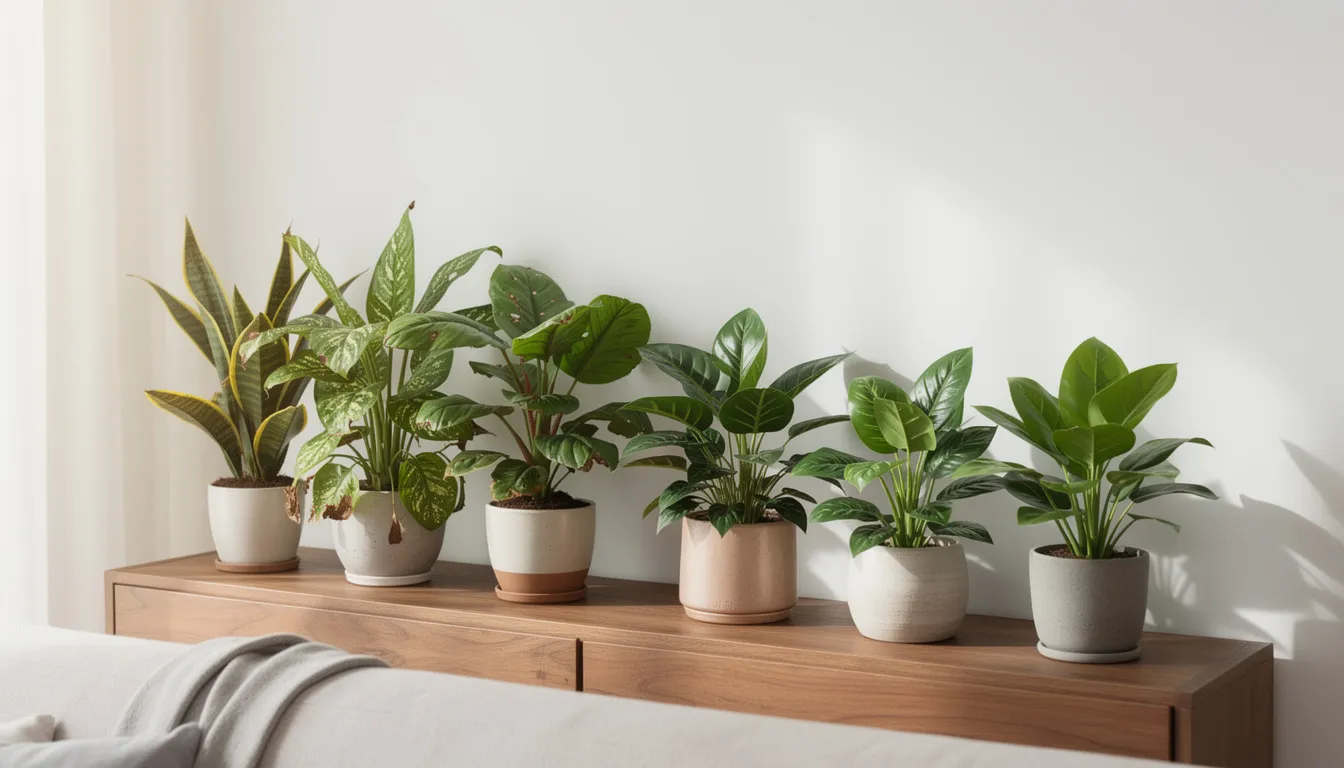
The artificial plant industry has become increasingly sophisticated, with some faux plants commanding prices of $50-200 for a single piece. Despite these premium price points, even expensive fake plants struggle to capture the life and energy that real greenery brings to a space. Interior designers consistently note that artificial plants lack the subtle variations in color, texture, and light interaction that make living plants so appealing.
Beyond the aesthetic limitations, faux plants require more maintenance than many people realize. Dust accumulates on silk leaves and plastic stems, requiring regular cleaning to maintain their appearance. Sunlight gradually fades even high-quality artificial foliage, leading to replacement costs every few years. When you factor in the initial expense plus the ongoing maintenance and eventual replacement, the total cost often exceeds what you’d spend on real greenery over the same period.
The environmental cost represents another hidden expense. Most artificial plants contain non-recyclable plastics and synthetic materials that contribute to landfill waste when they eventually deteriorate or fall out of style. From both financial and environmental perspectives, the preserved bouquets and silk florals that seem like convenient alternatives often prove to be a waste of money.
What to Do Instead
Choose low-maintenance real greenery like snake plants, pothos, or ZZ plants that thrive with minimal care and actually improve your indoor air quality. These hardy species can survive in various light conditions and recover from occasional neglect, making them perfect for busy homeowners or those new to plant care. The satisfaction a person gets from nurturing something alive adds a dimension of wellbeing and helps a person feel more connected to their home and its authenticity—something artificial alternatives simply cannot provide.
For spaces where living plants won’t thrive, consider dried flower arrangements or preserved eucalyptus, which offer natural textures and seasonal interest without the maintenance requirements of fresh plants. Weekly fresh flowers from the grocery store, typically costing $5-15, can provide more visual impact and home fresh fragrance than a $100 artificial arrangement that collects dust. This approach keeps your space feeling current and alive while staying within a reasonable budget.
Designer Logo Throw Blankets and Pillows
The luxury home goods market has embraced prominent branding, with designer throws and pillows displaying logos as prominently as designer handbags. These pieces, often priced at $300-500, create a showroom aesthetic that can make your living space feel more like a retail display than a comfortable home. The emphasis on visible branding means these accessories become dated as soon as the designer’s prominence wanes or your personal style evolves.
Logo-heavy textiles also limit decorating flexibility. A throw blanket with a prominent designer name must compete with other patterns and colors in the room, often creating visual conflict rather than harmony. These pieces demand to be the focal point, which can overwhelm smaller spaces and make it difficult to create the layered, collected-over-time look that feels authentically elegant.
The cost per use calculation rarely favors designer textiles with prominent branding. A $400 throw that you hesitate to use regularly for fear of damage or because it clashes with other elements represents poor value compared to high-quality textiles without logos that integrate seamlessly into your daily life.
What to Do Instead
Invest in handwoven textiles, vintage kilim pillows, or artisan-made throws that showcase craftsmanship rather than brand names. These high quality pieces often cost less than designer alternatives while offering unique character that cannot be mass produced. Natural materials like cashmere, wool, linen, and cotton in neutral tones complement any décor style and develop beautiful patina with age.
Look for textiles that tell a story—perhaps a vintage Moroccan rug, a hand-knitted throw from a local artisan, or linen pillows in earthy tones that reflect your travels or interests. These choices create personality and warmth without the burden of maintaining designer image. Quality natural fibers also tend to age gracefully, becoming softer and more beautiful with use rather than looking worn or dated.
Maximalist Gallery Wall Installations
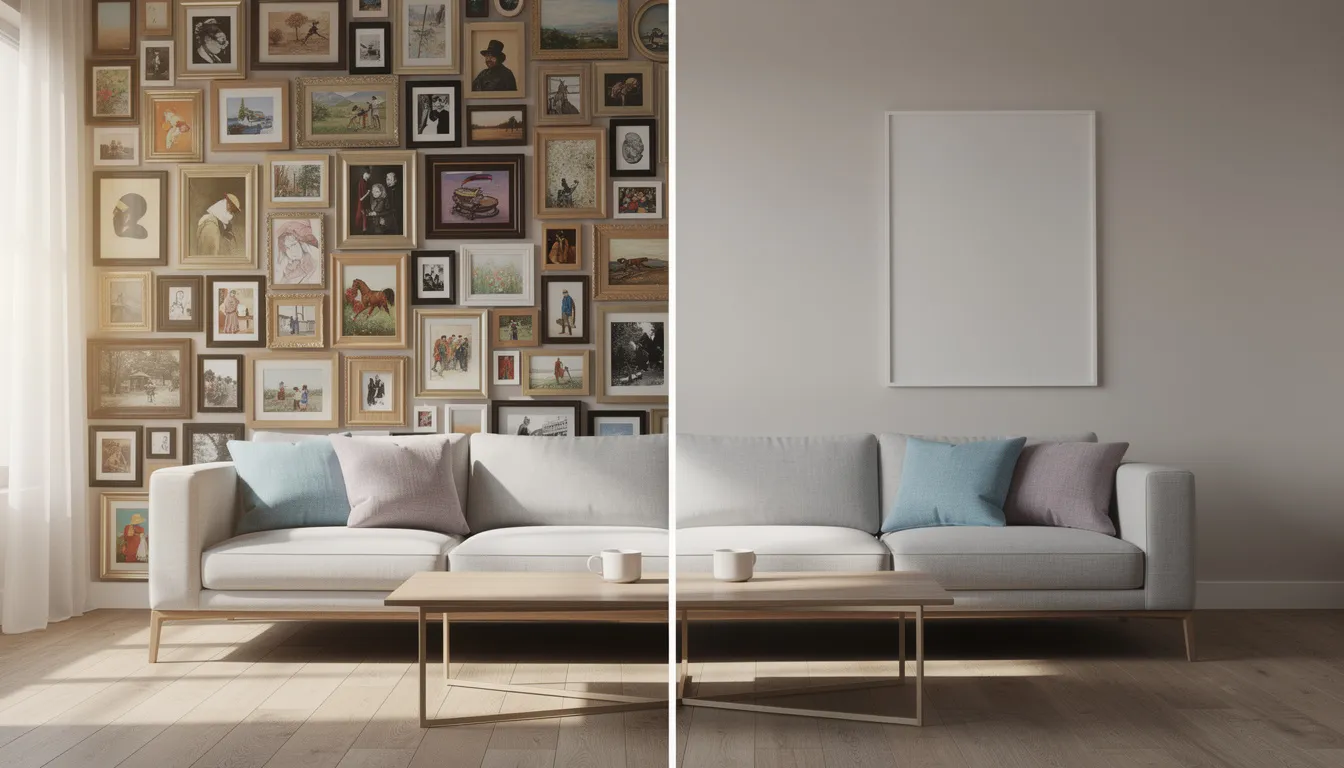
The Instagram-driven trend toward complex gallery walls featuring 15+ pieces has created a costly and time-intensive decorating challenge. Between frames, matting, professional printing, and hardware, these installations easily cost $500-1,500 to execute properly. The hidden costs include 8-12 hours of planning, measuring, and installation, plus potential wall damage from dozens of nail holes that may require patching when you eventually want to change the arrangement.
Interior designers frequently observe how overcrowded walls can make rooms feel smaller and more chaotic rather than curated and interesting. The visual noise of too many competing elements prevents any single piece from receiving proper attention, undermining the impact that art should have in a space. Additionally, maximalist gallery walls often include mass produced prints chosen more for their ability to fill space than for their personal significance or artistic merit.
The maintenance aspect of large gallery installations becomes burdensome over time. Dust accumulates on multiple frames, pictures gradually shift and require straightening, and the arrangement that looked perfect initially often needs adjustment as your style evolves or you acquire new pieces that deserve prominence.
What to Do Instead
Choose one large statement piece of art or limit yourself to 2-3 carefully curated pieces that have genuine meaning to you. A single substantial artwork often has more visual impact than a dozen smaller pieces, and it allows the eye to rest while creating a sophisticated focal point. This approach also leaves room for your art collection to grow organically over time.
Consider rotating artwork seasonally or using picture ledges that allow for easy rearrangement around your wall mounted tv without creating permanent holes in your walls. This flexibility means you can enjoy different pieces throughout the year while maintaining a clean, uncluttered aesthetic. Invest in quality framing for fewer pieces rather than spreading your budget across many lower-quality frames that may need replacement as your taste develops.
Full Room Seasonal Theme Makeovers
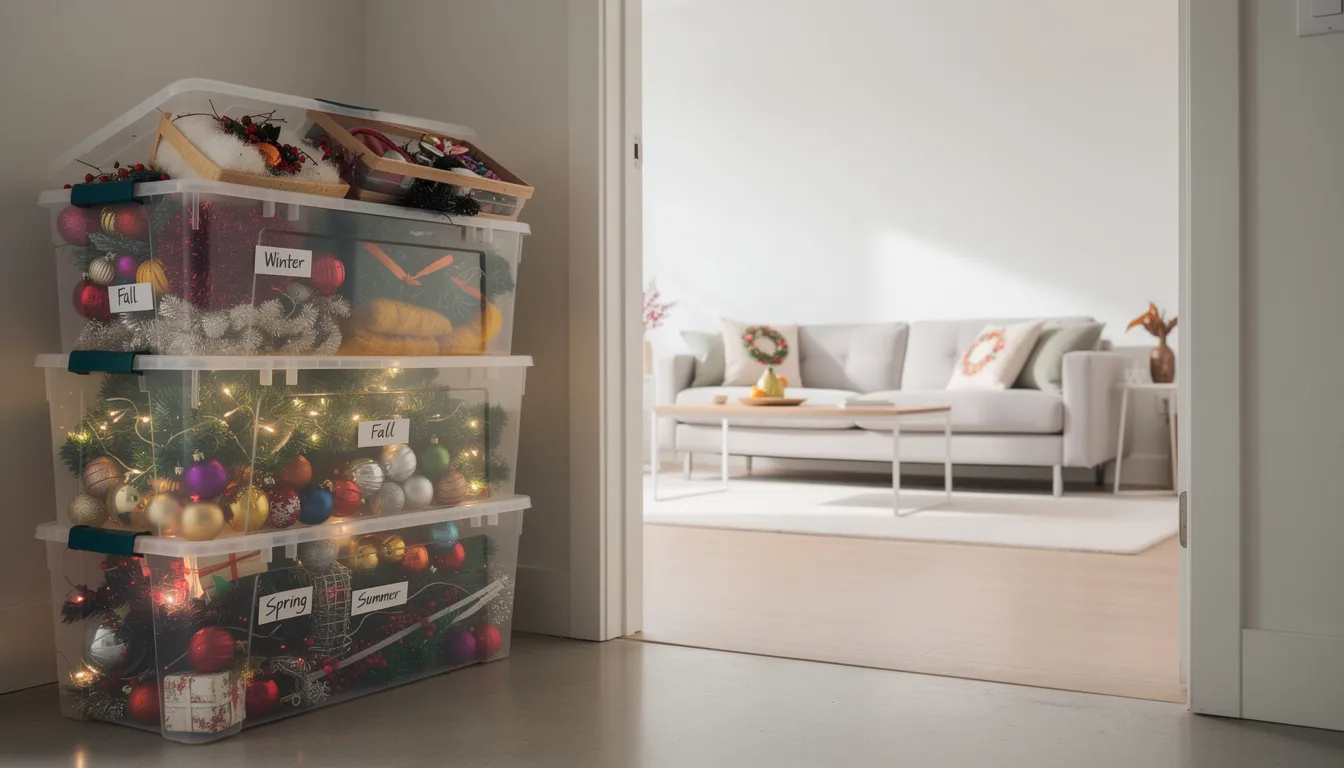
The social media-driven trend of completely transforming the entire room for each season—think pumpkin everything for fall, red and green for Christmas, pastels for spring—creates a costly cycle that can consume $200-600 per seasonal change. Multiply this across multiple holidays and seasons, and many homeowners find themselves spending $1,000-2,000 annually on decorative items that spend most of the year in storage.
The hidden costs extend beyond the initial purchase. Storing multiple sets of seasonal décor requires dedicated space, additional storage containers, and considerable time spent organizing, rotating, and setting up displays. Many homeowners eventually need extra closet systems or even rental storage units to accommodate their collection of themed accessories, adding ongoing expenses to what seemed like one-time purchases.
Interior designers note that heavily themed rooms often sacrifice functionality and comfort for visual impact. When every surface displays seasonal items, the room becomes less usable for daily activities and more like a staged display. This approach also creates pressure to constantly maintain the theme perfectly, turning decorating from a pleasure into a chore that requires frequent attention to keep looking fresh.
What to Do Instead
Maintain a neutral base of high-quality furniture and foundational pieces, then layer in seasonal interest through small, easily changeable elements. Swap pillow covers rather than entire pillows, use fresh flowers or natural elements like branches and pinecones to suggest the season, and focus your themed décor on one or two high-impact areas like the dining table centerpiece or front door wreath.
This practical approach allows you to acknowledge seasonal changes without overwhelming your space or budget. Natural seasonal elements like fresh greenery, seasonal fruit in bowls, or a few carefully chosen accessories can create warmth and festivity while maintaining the elegant restraint that makes a room feel sophisticated rather than themed. The money saved on seasonal overhauls can be redirected toward bigger long term investments in quality pieces that enhance your daily life year-round.
Built-In Hidden Technology Systems
The luxury home market has embraced hidden technology as the ultimate in luxurious living, with installations like hidden TVs costing $2,000-5,000 and invisible speakers systems running $1,500-3,000. While these systems create clean lines and eliminate visible tech, they come with significant drawbacks that make them a questionable investment for most homeowners.
Technology evolves rapidly, making expensive built-in systems obsolete within 3-5 years. A wall mounted TV that disappears behind custom cabinetry might seem elegant today, but when 8K displays or new connectivity standards emerge, you’ll face the choice of living with outdated technology or undertaking expensive renovations to upgrade your hidden systems.
Repair and maintenance become particularly challenging with hidden installations. When invisible speakers malfunction or hidden displays need service, technicians must often disassemble custom cabinetry or wall systems, turning simple repairs into major projects with corresponding costs. The complexity of these systems also means fewer technicians can service them, limiting your options and increasing service costs.
What to Do Instead
Choose sleek, high-quality visible technology that can be easily updated as innovations emerge, ensuring your space remains functional and stylish well into the future. Modern TVs, speakers, and audio equipment are designed with aesthetics in mind, and many pieces qualify as elegant design objects in their own right. Well-designed TV stands, attractive speaker systems, and thoughtful cable management solutions can integrate beautifully into your décor without the limitations of built-in systems.
Focus your technology investments on quality components that can evolve with changing standards. A beautiful media console that accommodates various devices will serve you far longer than custom cabinetry designed around specific equipment dimensions. This flexible approach allows you to upgrade individual components as needed while maintaining a cohesive, stylish appearance that doesn’t require construction-level changes to stay current.
Conclusion
The most expensive choice in home décor is often not what you buy once, but what you keep replacing. These seven trends share a common thread: they prioritize immediate visual impact over long-term value, leading to cycles of replacement that cost far more than investing in quality, timeless pieces from the start.
Smart decorating means choosing items that enhance your daily life while maintaining their energy and functionality over time. Whether it’s durable furniture that ages gracefully, artwork that tells your personal story, or technology that can adapt to changing needs, the best decorating decisions balance aesthetics with practicality and financial sense.
Instead of chasing every trend, focus on creating a home that reflects your personality while supporting your lifestyle and budget. The money you save by avoiding these costly mistakes can be redirected toward bigger investments that truly improve your quality of life—better lighting, comfortable seating, or improvements that add lasting value to your home.
Remember that the most beautiful interiors often result from thoughtful choices made over time, not expensive trend-driven purchases that promise instant transformation. Your home should work for you, not against your budget, creating a space that feels both stylish and authentically yours for years to come.