

Why Purposeful Design Saves Money and Prevents Style Regrets
Every year, homeowners waste an estimated $2,500 to $5,000 on design decisions they later regret, especially when they decide to remodel . These costly mistakes range from trendy furniture that quickly looks outdated to beautiful pieces that simply don’t function in real life. The problem isn’t bad taste—it’s making design choices without clear intent.
Before you start, set a realistic budget you can afford and pay close attention to expenses throughout the process. This will help you avoid overspending and ensure your project stays within your financial means.
To design on purpose means making intentional style choices based on your actual lifestyle needs, space constraints, and long-term goals rather than following fleeting trends or impulse purchases. Here are some tips to guide you This approach helps you avoid spending on the wrong style by ensuring every purchase serves both form and function in your specific context.
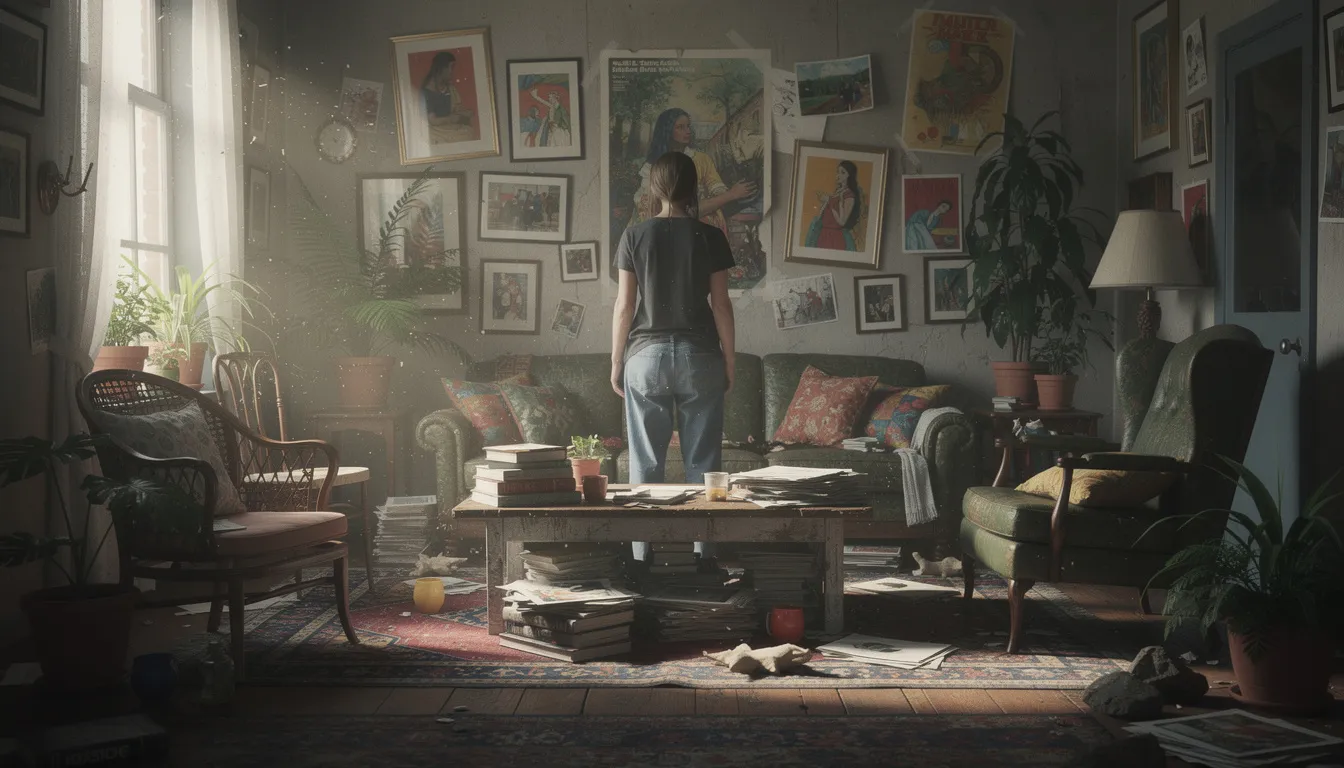
The most common style mistakes that drain budgets include mixing too many trends without a unifying theme, ignoring how spaces actually function in daily life, and buying pieces that don’t work together or fit properly, which ultimately reduces efficiency . One designer shared that 60% of her clients’ initial purchases needed to be returned or replaced because they rushed into decisions without proper planning. Trying to do too many things at once, instead of focusing on one thing, can also lead to costly errors and a lack of cohesion.
When you design on purpose, you create a clear framework for every design decision. This process protects you from costly errors while ensuring your space truly reflects your needs and personality. Pay attention to both style and cost to ensure your choices are financially feasible. The following strategies will help you avoid these expensive pitfalls and create a home that works beautifully for years to come.
Identify Your True Style Before You Shop
Before investing money in any furniture or decor, you need a clear understanding of your authentic style preferences. This discovery process prevents you from falling for trends that don’t align with your taste or buying pieces that feel wrong once you get them home.
Start by creating a comprehensive style mood board using magazines, Pinterest, or design apps like Houzz. Collect at least 20-30 images that immediately appeal to you, but don’t overthink the choices. Save everything from room photos to individual pieces, color palettes, and even textures that catch your eye. This initial collection reveals patterns you might not consciously recognize.
Next, analyze your current favorite pieces to identify recurring themes. Walk through your space and photograph the items you genuinely love—whether it’s a vintage lamp, a cozy throw, or even a piece of art. Look for commonalities in color, texture, material, and form. Do you gravitate toward warm wood tones? Clean lines? Rich textures? Bold patterns? These preferences form the foundation of your authentic style.
Taking a design course can also help you understand style fundamentals like color theory, typography, and white space, making it easier to avoid costly mistakes and choose a style that truly fits you.
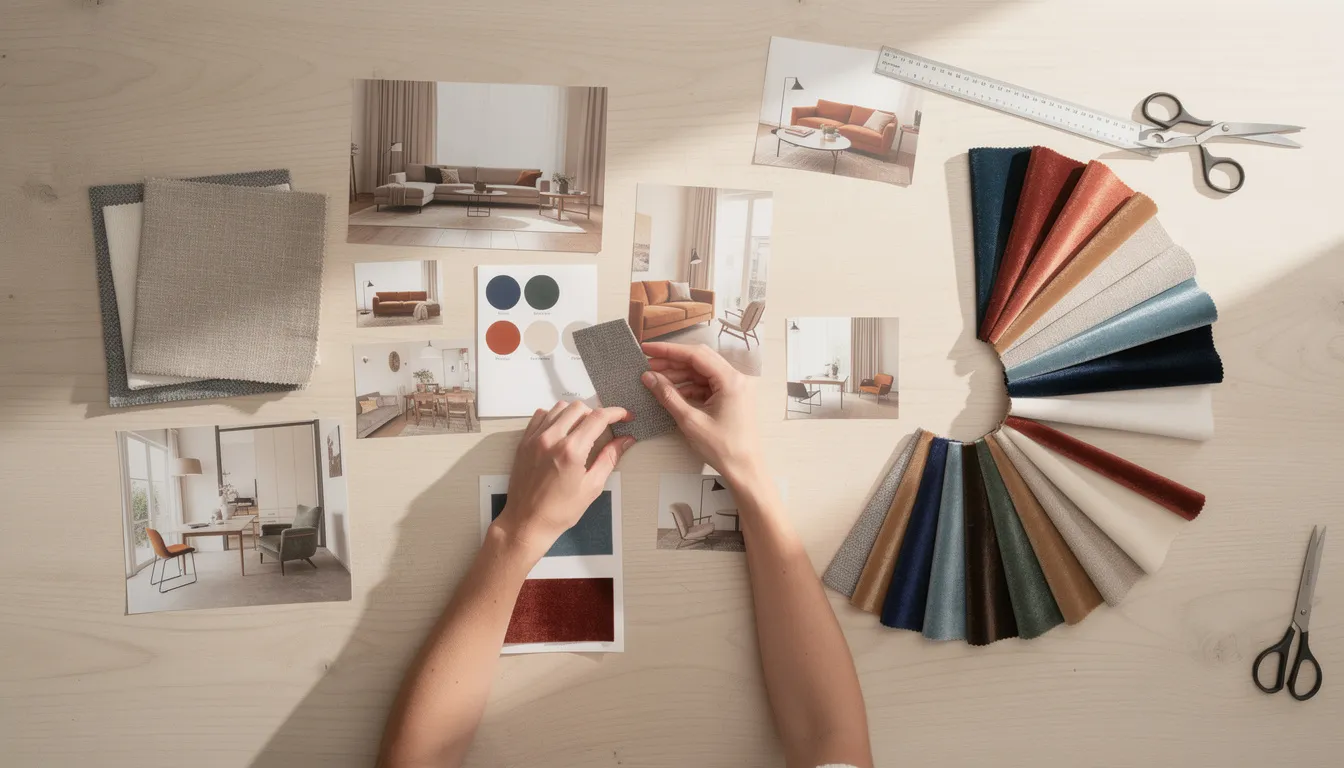
Consider how your daily routines impact design needs. A family with young children requires different furniture choices than empty nesters who entertain frequently. Ask yourself specific questions: Do you need surfaces that hide fingerprints? Storage for toys and games? Quiet spaces for work calls? Durable materials that withstand heavy use? Your lifestyle should directly influence style choices to avoid spending money on beautiful but impractical pieces.
Apply the “one-year test” to every potential purchase over $200, as this idea helps in making more informed decisions . Before buying, honestly assess whether you’ll still love the piece in 12 months. Trends come and go quickly in the design world, but your money is better invested in styles that feel genuinely appealing to you rather than what’s currently popular. If you’re drawn to a very trendy piece, consider incorporating the trend through less expensive accessories that can be easily changed.
Document your style discoveries in a simple notebook or digital file. Write down your must-have colors, materials you’re drawn to, and functionality requirements for each room. This reference guide becomes your shopping filter, helping you quickly identify whether a potential purchase aligns with your established direction or represents an expensive detour.
Key Design Considerations Before You Commit
Before you dive into any interior design project, taking the time to plan and communicate your vision can help you avoid some of the most costly mistakes in the world of design. One of the first steps is to establish clear communication with everyone involved—whether it’s your designer, contractor, or suppliers. When everyone is on the same page about your design intent, budget, and expectations, you dramatically reduce the risk of unexpected expenses and costly errors that can derail your project.
Focusing on quality from the start is essential for achieving the best value and long-term results. While it might be tempting to cut corners or opt for cheaper materials and furniture, investing in well-made pieces and durable fabrics will save you money in the long run. High-quality items not only look better, but they also stand up to daily life, reducing the need for frequent repairs or replacements. This approach ensures your space remains functional and appealing for years to come, protecting your investment and increasing your property’s value.
Thoughtful planning is the backbone of efficient and successful interior design. Consider the layout of your room, the flow of movement, and how lighting will enhance both the function and mood of the space. Don’t forget to factor in the cost of labor, materials, and any additional services you might need. Setting a realistic budget—and sticking to it—will help you avoid financial stress and keep your project on track. Remember to include a buffer for unexpected expenses, as even the best-planned projects can encounter surprises.
If you’re unsure where to start or want to maximize your budget, seeking the expertise of a professional designer can be a smart move. Designers bring valuable experience and can help you avoid common mistakes, recommend the best materials, and guide you toward design choices that align with your goals. Their insight can help you shop smarter, compare brands, and find the right balance between splurging and saving.
Above all, let your personal style and lifestyle needs guide your decisions. Don’t feel pressured to follow every trend—focus on what works for you and your space. Shop around, explore different options, and gather inspiration from a variety of sources. By prioritizing clear communication, quality, and intentional planning, you’ll create a space that’s not only beautiful but also efficient, functional, and uniquely yours. Take the time to plan carefully, communicate openly, and invest in quality—these steps will help you achieve a stress-free project and a home you’ll love for years to come.
The Most Expensive Style Mistakes to Avoid
Understanding the costliest design errors helps you recognize and avoid these budget-draining traps by utilizing available resources . These mistakes typically fall into four categories: trend-chasing, style mixing without strategy, poor space planning, and prioritizing appearance over function.
Trendy furniture that dates quickly represents one of the biggest wastes of design money, highlighting the need for expertise in selecting timeless pieces . The live-edge dining tables that flooded social media from 2019 to 2021 now appear in countless resale listings as homeowners move on from the look. A $2,000 live-edge table that felt cutting-edge three years ago may now seem dated, forcing owners to replace it far sooner than a classic design would require. Before investing in any trending piece, research how similar styles have aged over the past decade.
Mixing incompatible styles without a unifying element creates expensive chaos and often requires additional labor to rectify . Combining industrial elements with shabby chic pieces can work beautifully, but only when connected through consistent colors, materials, or scale. Without this strategy, rooms feel disjointed and require additional purchases to create cohesion. Many homeowners spend an extra $1,500 to $3,000 buying “bridge” pieces to make their original purchases work together.
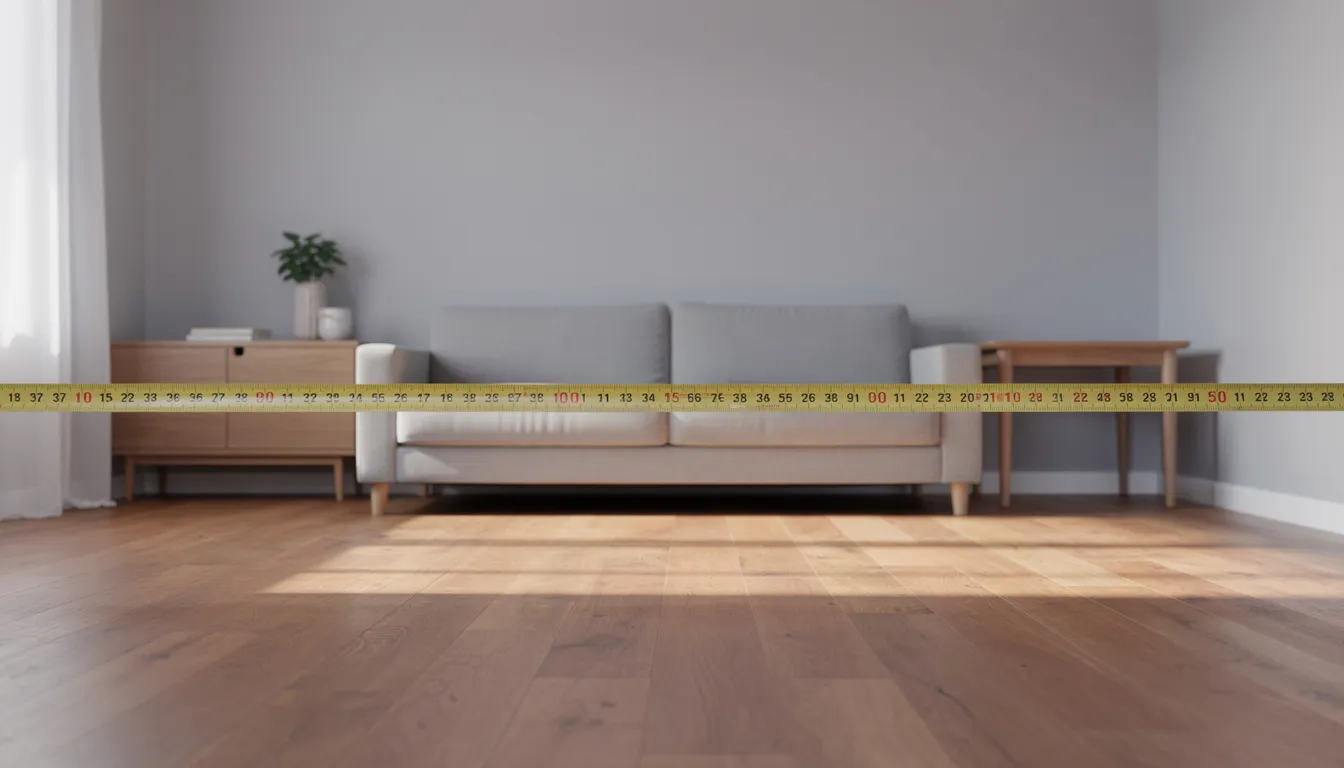
Poor space planning leads to costly returns and replacements. Major retailers report that 40% of furniture returns are size-related, with customers discovering their purchases don’t fit properly once delivered. A sofa that blocks a walkway or a dining table too large for its space forces expensive exchanges or additional room modifications. Always measure your space and create a scaled floor plan before shopping.
Choosing style over function creates ongoing frustration and replacement costs. White couches look stunning in magazine photos but prove impractical for families with children or pets. Glass coffee tables create beautiful, airy aesthetics but pose safety concerns in active households and show every fingerprint. Calculate the true cost of maintaining or replacing impractical pieces before falling in love with high-maintenance styles.
Fast Fashion for Home Decor
The rise of ultra-cheap home decor mirrors problems in the clothing industry, encouraging throwaway decorating that ultimately costs more than quality investments. Certain retailers promote rapid style turnover through rock-bottom prices on trend-driven pieces designed to last one or two seasons rather than years.
Consider the math: A $50 trendy throw pillow replaced every two years costs $250 over a decade, while a $150 quality pillow lasts the entire period. Factor in the time spent shopping for replacements, disposal costs, and environmental impact, and cheap pieces prove expensive in the long run. Fast home fashion also encourages accumulation of stuff that quickly loses appeal, leading to cluttered spaces that feel chaotic rather than intentional.
Research shows that constantly changing decor creates decision fatigue and reduces satisfaction with your space. When everything is temporary and disposable, nothing feels meaningful or personal. Focus your budget on fewer, higher-quality pieces that you genuinely love rather than filling your space with cheap items that will need frequent replacement.
Strategic Planning Prevents Style Shopping Mistakes
A systematic planning approach eliminates impulsive purchases and ensures every design decision supports your overall vision. This process takes more time upfront but saves significant money and stress over the long term.
Create a detailed room-by-room style plan before making any major purchases. For each space, define its primary function, who uses it most often, and what mood you want to create. Choose a specific color palette with no more than four main colors plus neutrals. Select two or three key materials (like warm wood, brushed metal, and linen) that will appear throughout the room in different applications.

Establish a realistic timeline that prevents rushed decisions. Most successful room makeovers take 3-6 months to complete properly, allowing time to find the right pieces at good prices rather than settling for whatever’s immediately available. Rushing the process leads to compromise purchases that don’t quite fit your vision, requiring expensive corrections later.
Build a priority list that focuses your budget on the most impactful elements first. Start with the largest pieces that define the room’s character—sofas, dining tables, beds—since these anchor everything else. These foundational purchases should be in neutral, timeless styles that won’t look dated in five years. Save accent colors and trends for smaller, easily changeable items like pillows, art, and accessories.
Implement a 24-48 hour waiting period before purchasing any item over $200. This cooling-off period helps separate genuine need from impulse desire. During this time, revisit your style plan and confirm the piece fits your established direction. Consider whether you have room for it, how it coordinates with existing pieces, and whether it serves a real function in your life.
Document every purchase with photos and receipts in a simple folder or app. This record helps you track your budget, remember why you chose specific items, and avoid duplicate purchases. It also creates a valuable reference for future shopping trips, helping you remember exact measurements, colors, and style details.
Building Cohesive Style on Any Budget
Creating a unified look doesn’t require unlimited funds—it requires strategic thinking about how pieces work together. The key lies in repetition of certain elements that visually connect different items and areas.
Choose three to four main colors and use them consistently throughout your space, along with selecting the right brands for your furnishings . This doesn’t mean everything must match perfectly, but each room should include at least two colors from your palette. For example, if your palette includes navy, cream, warm wood, and brass, your living room might feature a navy sofa with cream pillows and a brass lamp, while your dining room has a wood table with navy chairs and brass hardware.
Mix high and low pieces strategically to maximize your budget impact. Invest more money in items you touch and use daily—sofas, mattresses, desk chairs—since their quality directly affects your comfort and the piece’s longevity. Save money on decorative items that don’t endure heavy use, like throw pillows, artwork, and seasonal accessories.
For inspiration, look to cool, trendy business hubs like Grand Rapids, which are known for their modern, vibrant atmospheres. Drawing from these environments can help you create a fresh, appealing look in your own home.
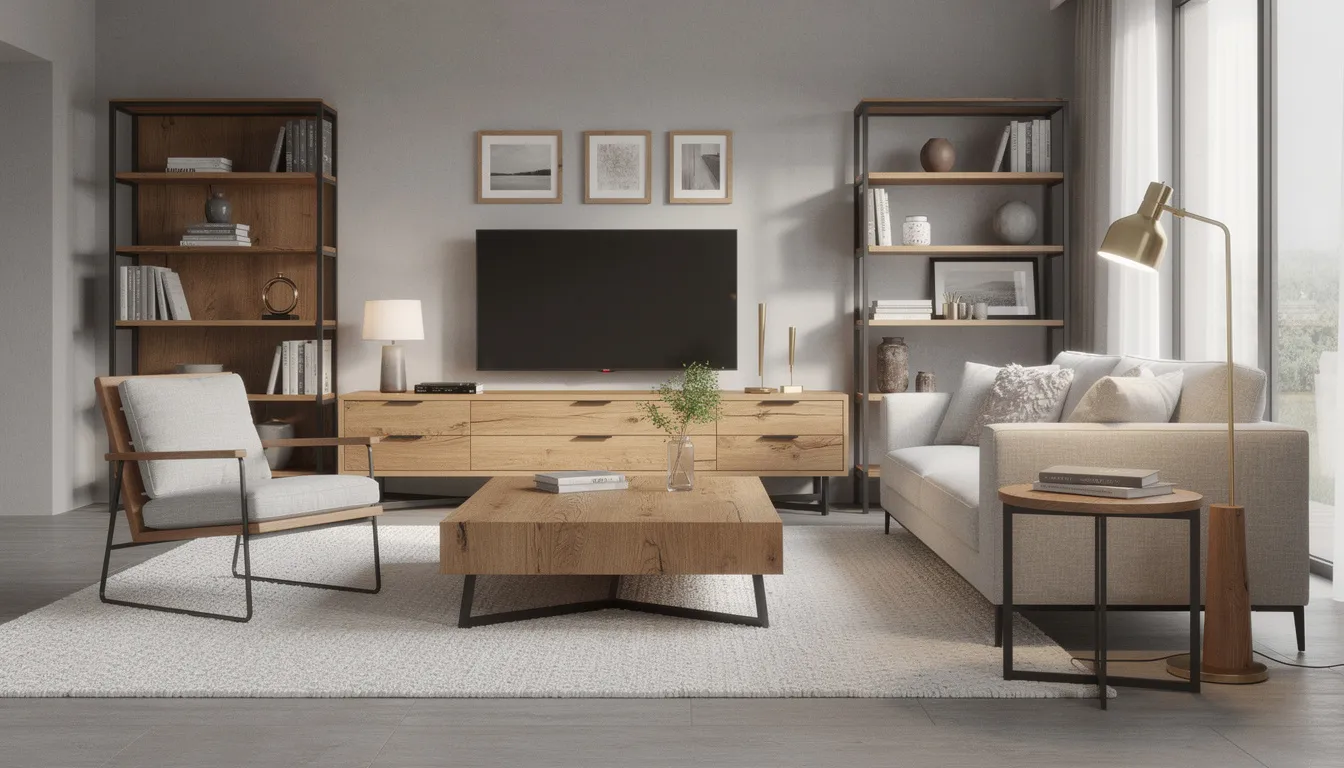
Use repetitive elements like similar wood tones or metal finishes to create visual flow between different areas. If you choose warm walnut wood for your dining table, incorporate walnut in a coffee table, picture frames, or shelving in adjacent spaces. This repetition creates cohesion even when other elements vary significantly.
Shop your own home first before buying anything new. Look at existing pieces with fresh eyes and consider how they might work in different rooms or arrangements. That dining chair gathering dust in the basement might work perfectly as a desk chair. The lamp in your bedroom could add needed task lighting to your living room. Moving existing items costs nothing but often solves style and function problems.
The 60-30-10 Rule for Smart Style Spending
Professional designers use this budget allocation strategy to create balanced, sophisticated spaces without overspending on any single category.
Allocate 60% of your decorating budget to foundational pieces like sofas, beds, and dining tables. These items should be neutral, timeless styles in quality materials that will last 10-15 years. Choose colors and silhouettes that won’t look dated quickly, even if they feel a bit safe. This foundation anchors your space and provides the best long-term value.
Spend 30% on secondary pieces that add personality and visual interest—accent chairs, lighting fixtures, area rugs, and window treatments. These items can be more expressive in color or style since they’re easier to change if your taste evolves. This category bridges the gap between practical necessities and personal expression.
Reserve 10% for accessories and trend pieces that inject current style and reflect your personality—throw pillows, artwork, decorative objects, and plants. This category refreshes your space seasonally and allows you to experiment with new trends without major financial risk. When trends change, these small investments can be easily updated.
This allocation prevents the common mistake of spending disproportionately on dramatic accessories while skimping on foundational pieces that determine your daily comfort and the space’s long-term functionality.
When to Splurge vs. Save in Style Decisions
Understanding where to invest your money and where to economize helps you create better spaces while staying within budget. The key principle is prioritizing items that affect your daily comfort, health, and safety while finding savings on purely decorative elements.
Splurge on these items that you use daily and expect to last for years:
Mattresses and sleep-related furniture deserve significant investment since quality sleep affects your health and productivity, making it an essential business decision for your well-being . A good mattress lasts 8-10 years and impacts your well-being every single day. Similarly, invest in quality bed frames that won’t squeak or wobble over time.
Sofas and primary seating should be built to withstand regular use with solid wood frames, quality springs, and durable fabrics. These pieces anchor your living spaces and get touched, sat on, and moved regularly. Look for furniture with reinforced joints, quality construction, and removable, washable covers if you have children or pets.
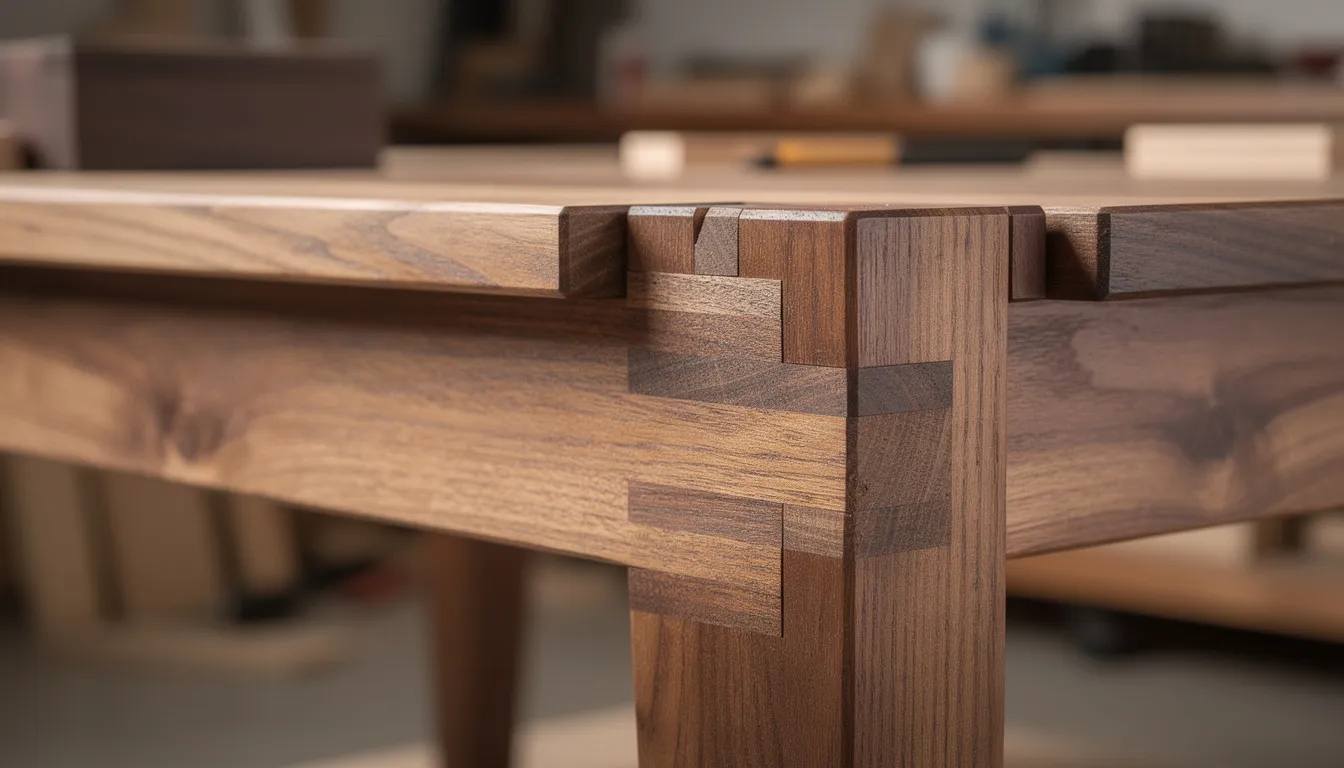
Dining tables represent long-term investments that host daily meals, homework sessions, and special gatherings. Choose solid wood or quality engineered materials with finishes that can be refinished if needed. A well-built dining table can last decades with proper care.
Save money on these items that can be easily updated or replaced:
Decorative accessories like throw pillows, candles, and seasonal decor can be purchased inexpensively since they’re easily changed when your taste evolves. These items update your space affordably without requiring major furniture replacement.
Children’s furniture makes sense to buy second hand or at lower price points since kids outgrow beds, desks, and storage needs quickly. Focus on safety and function over style for pieces that will be replaced in a few years.
Trend-heavy items like very bold wallpaper, extremely colorful furniture, or highly stylized lighting should be approached with budget caution. If you love a strong trend, incorporate it through less expensive accessories or paint that can be easily changed.
Quality indicators to look for when making splurge purchases:
Solid wood construction lasts longer than particle board or veneer, especially for pieces that get heavy use. Check that drawer boxes are solid wood, not just fronts, and that shelving can support actual book weight.
Reinforced joints like dowels, mortise-and-tenon connections, or corner blocks indicate furniture built to last. Avoid pieces held together solely with screws or glue, which loosen over time.
Reputable warranties suggest manufacturers confidence in their product quality. Look for at least 1-year warranties on upholstered pieces and 5+ years on solid wood furniture.
Avoid these common markup traps that waste money:
Designer lighting often carries 200-300% markups over similar fixtures from home improvement stores. Compare actual materials and construction before paying premium prices for brand names alone.
Throw pillows at furniture stores can cost $80-150 each when similar quality pillows are available at discount retailers for $20-30. These accessories are easy to shop around for since they don’t need to match existing furniture exactly.
Extended warranties on furniture rarely provide value since quality pieces should last years without major repairs, and most manufacturing defects appear within the standard warranty period.
Creating Your Personal Style Action Plan
Transform your style discoveries and budget priorities into a practical implementation guide that prevents costly mistakes and keeps you focused on your vision.
Document your style preferences with specific details:
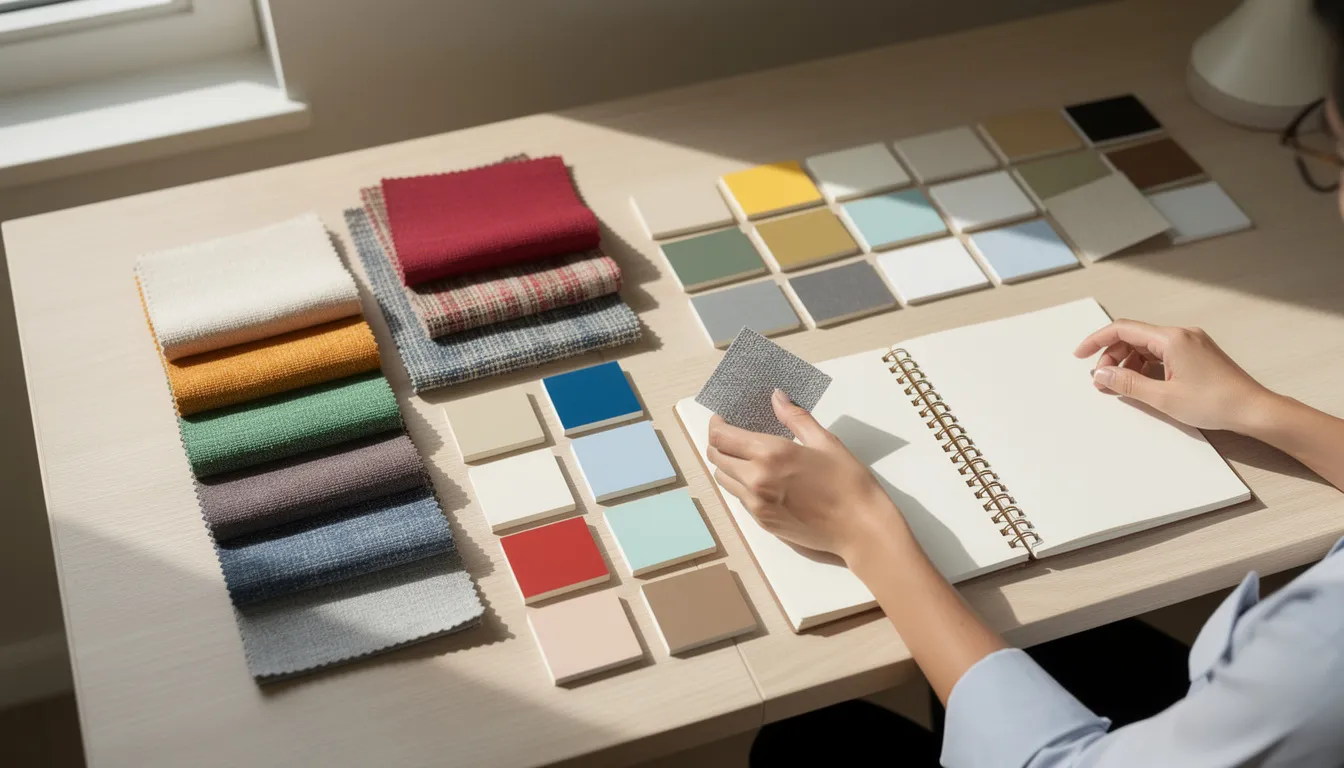
Create a simple style profile that includes your preferred color palette with specific paint names or color codes, not just general descriptions like “blue.” Include photos of texture and material samples that appeal to you—actual fabric swatches, wood stains, or metal finishes rather than just inspiration photos.
Write down your lifestyle requirements for each room with specific details. Instead of “needs to be kid-friendly,” specify “must hide stains, withstand jumping, and provide toy storage for 50+ items.” These concrete requirements help you evaluate potential purchases objectively.
Take detailed measurements of your space, including ceiling height, door and window locations, and traffic patterns. Create a simple floor plan using graph paper or free apps like SketchUp, and keep it with you when shopping to avoid size-related mistakes.
Set and track spending limits:
Establish a realistic budget for each room based on your overall financial situation, not just what you’d ideally like to spend. Research actual costs for the types of pieces you want to buy, adding 20% for unexpected expenses or shipping costs.
Break your budget into the 60-30-10 categories and track purchases against these allocations using a simple spreadsheet or budgeting app. This prevents overspending on accessories while underfunding important foundational pieces.
Create a wishlist with specific measurements, colors, and style requirements for each item you plan to buy. Include your maximum budget for each piece and stick to it. This list keeps you focused during shopping trips and helps you recognize good deals on items you actually need.
Build relationships with quality vendors:
Research local furniture stores, consignment shops, and online retailers that carry the style and quality level you prefer. Read reviews and return policies carefully, since furniture shopping often involves trial and error.
Follow a few key design blogs or Instagram accounts that consistently share styles you love to ensure you stay on the same page with current trends.
Consider working with a designer for an hour-long consultation on your most expensive room. Many professionals offer single-session services that can help you avoid costly mistakes on major purchases like sofas or built-ins.
Schedule regular style evaluations for your home project to ensure everything is in line with your design vision.
Set up quarterly check-ins to assess what’s working in your space and what still needs attention. Use these sessions to evaluate whether recent purchases are as functional and appealing as you expected.
Keep a running list of minor issues that need addressing—pillows that need fluffing, artwork that needs hanging, or furniture that could be rearranged for better flow. Addressing these small details prevents bigger dissatisfaction that might lead to unnecessary major purchases.
Plan an annual review of your space to identify pieces that no longer serve your needs or style preferences. Sell or donate items that aren’t working rather than letting them create visual clutter or trying to make them work through expensive modifications.
The goal of designing on purpose is creating spaces that support your actual life while reflecting your authentic style and nurturing your creativity . By following these strategic approaches, you protect your budget from costly mistakes while building a home that truly works for you. Start with one room and apply these principles systematically—you’ll save money, reduce stress, and end up with spaces you genuinely love for years to come.