

Professional interior designers charge $10,000-$25,000 per room in urban markets, but creating a beautiful home doesn’t require that kind of budget. Most people spend years accumulating furniture and decor without a cohesive plan, wondering why their living space never feels intentional or polished like the homes they admire online.
The art of decorating without overspending isn’t about buying cheap furniture that falls apart in two years. It’s about strategic planning, smart sourcing, and understanding which elements make a significant role in making the biggest difference in each room. When you know where to splurge and where to save, you can achieve a designer look for a fraction of the cost while still creating a space that reflects your personal decor style.
This comprehensive guide will walk you through transforming every room in your house systematically, giving you the tools to create a whole new look without breaking the bank. Whether you’re decorating your new house, first apartment or refreshing your forever home, these room-by-room strategies will help you build a beautiful home that makes sense for your life and budget.
Getting Started: Essential Budget Decorating Principles
Set a realistic decorating budget and stick to it by tracking expenses
Before you start decorating any room in your home, establish a clear budget that fits your financial reality. Many people doubt and underestimate how quickly small purchases add up—$30 for pillows here, $60 for a lamp there, and suddenly you’ve spent $500 without a cohesive result to show for it.
Start by determining how much discretionary income you can allocate to home decor each month. Even $200 monthly can fund significant transformations when spent strategically over time. Create a simple spreadsheet or use a budgeting app to track every decorating purchase and ideas , no matter how small. This accountability prevents impulse buying and helps you see where your money is actually going.
Professional decorators often allocate 60-70% of a room’s budget to major pieces like sofas, rugs, and lighting, leaving 30-40% for accessories and art. Apply this ratio to keep your spending proportional and avoid the trap of buying lots of small stuff without investing in pieces that make a big difference.
Define your style and color palette before making any purchases
One of the fastest ways to overspend is shopping without a clear vision, buying beautiful items that don’t work together. Successful budget decorating requires the discipline to define your aesthetic before you start shopping. Create a Pinterest board or collection of inspiration images to identify common themes in your preferences.
Choose a consistent color palette that can flow throughout your entire home. This doesn’t mean every room needs identical colors, but having a cohesive foundation prevents you from starting over repeatedly. A simple palette might include two neutral base colors (like white and warm gray), one bold accent color (navy or forest green), and natural wood tones for warmth.
When you encounter gorgeous items that don’t fit your established style or color palette, resist the urge to buy them. This focused approach means every purchase builds toward a cohesive whole rather than creating a collection of pretty but unrelated objects.
Start with one room at a time to avoid overwhelming costs
Tackling your whole house at once is a recipe for overspending and decision fatigue. Instead, focus your energy and budget on completely finishing one room before moving to the next room. This approach allows you to see dramatic results quickly, which provides motivation to continue.
Choose your starting room based on which space will give you the most satisfaction when complete. For most people, this is either the living room (because it’s highly visible and used daily) or their bedroom (because it’s a personal retreat). Avoid starting with low-impact spaces like guest bathrooms or hallways—save these for later when you have momentum and experience.
Prioritize high-impact changes like paint and lighting over expensive furniture
Paint is consistently the highest-impact, lowest-cost change you can make to any space. A fresh coat of paint can make dated furniture look intentional, unify mismatched pieces, and completely change the mood of a room. At $30-60 per gallon, paint delivers more visual transformation per dollar than any other decorating investment. A new paint color can transform the look and feel of the entire room, not just one wall.
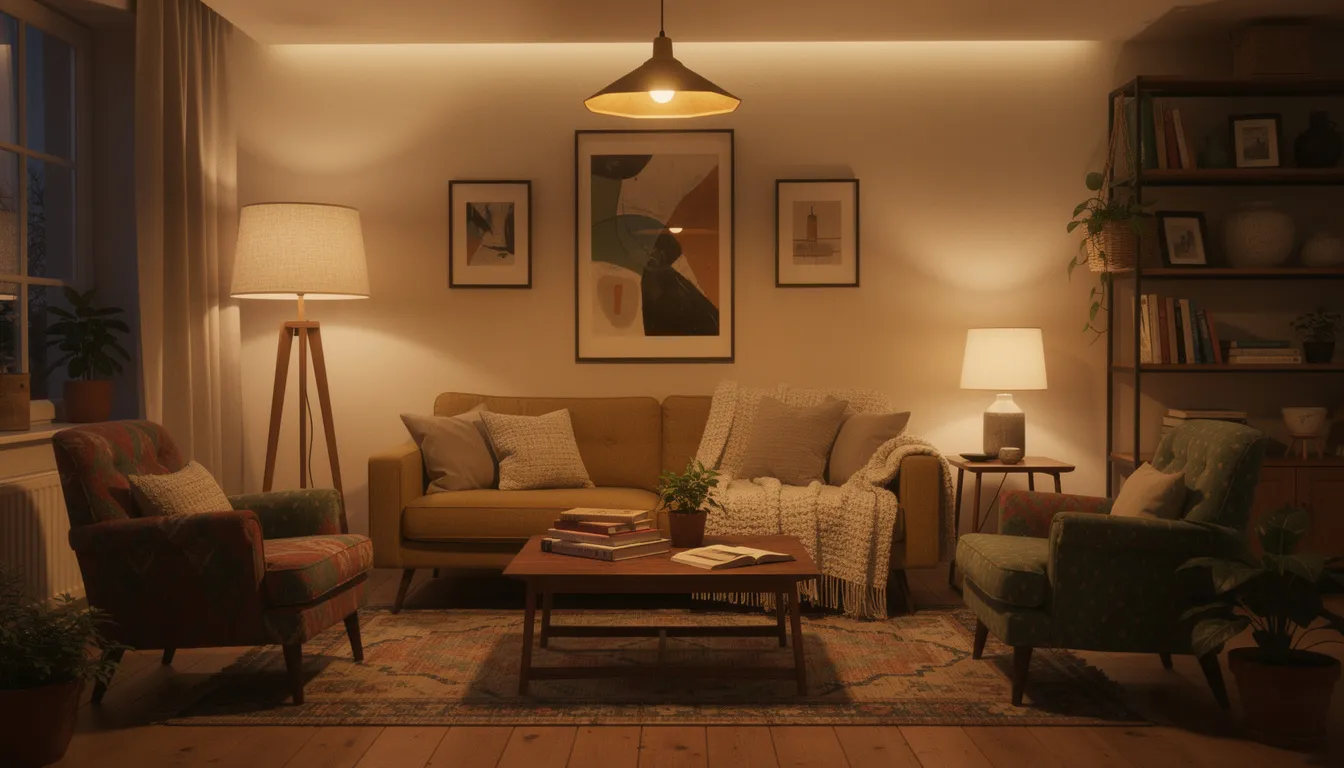
Lighting creates ambiance and makes everything else in your room look better. Poor lighting can make even expensive furniture look cheap, while layered lighting makes budget pieces appear more luxurious. Focus on adding multiple light sources—table lamps, floor lamps, and accent lighting—before splurging on new furniture.
These foundational changes create the backdrop that makes everything else work. Once you’ve established good lighting and wall color, you can add furniture and decor gradually as your budget allows.
Shop your own home first by moving items between rooms
Before buying anything new, walk through your entire home and identify pieces you could repurpose or relocate. That lamp collecting dust in the guest room might be perfect for your living room reading nook. The mirror from your bathroom might work better in your entryway.
This “shopping your home” approach costs nothing but time and often reveals that you already own pieces that can solve decorating challenges. Rearranging existing furniture can create entirely new layouts and functions without spending money. You might discover that moving your sofa away from the wall opens up traffic flow, or that rotating seasonal decor gives you variety without constant purchases.
Document your existing inventory with photos so you remember what you have when you’re tempted to buy duplicates. This inventory also helps you identify genuine gaps where purchases are necessary.
Create a Pinterest board to collect inspiration and maintain focus
Pinterest boards serve as your North Star throughout the decorating process, preventing you from chasing every trend or being swayed by sale items that don’t fit your vision. Create separate boards for each room, but ensure they all reflect your overall color palette and style preferences.
Pin not just final room photos, but also specific elements you love—a particular way of styling bookshelves, a lighting combination, or a furniture arrangement. These detail shots help you understand what makes certain rooms work, giving you specific techniques to replicate.
Review your boards before shopping to remind yourself of your goals. When you find yourself drawn to items that don’t appear in your inspiration images, step back and reconsider whether they truly fit your vision or are just appealing impulse purchases.
Living Room: Creating Comfort on a Budget
Furniture and Layout
Hunt for secondhand sofas and chairs on Facebook Marketplace and Craigslist
Your sofa is likely the most expensive single item in your living room, making secondhand sourcing particularly valuable here. Quality sofas from brands like Pottery Barn, West Elm, or even higher-end manufacturers often appear on Facebook Marketplace and estate sales for 60-80% less than retail prices.
Look for pieces with solid frames and good bones—saggy cushions can be replaced, but structural damage is expensive to repair. Search terms like “down cushions,” “hardwood frame,” and specific brand names help you find quality pieces among the cheaper options. Don’t dismiss sofas with dated fabric if the frame is solid; reupholstering or adding a slipcover can transform the look for less than buying new.
When evaluating secondhand seating, check that all legs are sturdy, springs aren’t broken, and there are no unpleasant odors. A $800 retail sofa found for $200 secondhand, plus $100 in new throw pillows, gives you a $900 look for $300 total investment.
Update existing furniture with new throw pillows using down inserts one size larger than covers
If you already have seating that’s structurally sound but looks tired, new pillows can provide an instant refresh and help you have less stuff without the expense of new furniture. The secret to luxury-looking pillows is using down inserts that are one size larger than your pillow covers—this creates the plump, full appearance seen in high-end homes.
Choose pillow covers in your established color palette, mixing textures like linen, velvet, and cotton for visual interest. A sofa that looks cheap with flat, polyester-filled pillows immediately appears more expensive when styled with properly stuffed, coordinated cushions.
Budget about $15-25 per pillow for quality down inserts and removable covers. This investment pays dividends because you can change covers seasonally or when you want a new look, making your living room feel fresh without replacing major furniture pieces.
Arrange furniture to create conversation areas rather than pushing everything against walls
Many people automatically push furniture against walls, thinking this makes rooms look larger. In reality, floating furniture creates more intimate, functional groupings that make spaces feel intentionally designed rather than like waiting rooms.
Pull your sofa a few feet from the wall and angle chairs toward it to create a conversation area centered around a coffee table or ottoman. This arrangement encourages interaction and makes your furniture feel more substantial and purposeful. In open concept homes, floating furniture also helps define distinct zones within larger spaces.
If your room is small, you might only float one or two pieces while keeping others against walls. The key is creating at least one grouping that feels intentional and inviting rather than having everything lined up around the room’s perimeter.
Mix and match furniture pieces instead of buying matching sets for a curated look
Matching furniture sets often look generic and can be expensive since you’re buying multiple pieces at once. Instead, collect individual pieces over time that share common elements like wood tone, style, or scale. This approach spreads costs over months or years while creating a more personalized, curated appearance.
Look for pieces that complement rather than match exactly. A wooden coffee table, metal side table, and woven basket for storage can work beautifully together if they share similar proportions and fit your color palette. Thrift stores and estate sales are excellent sources for unique individual pieces you won’t find in every furniture store.
This mixing approach also gives you flexibility to upgrade one piece at a time rather than replacing entire sets when your needs or tastes change.
Lighting and Ambiance
Layer lighting with table lamps, floor lamps, and string lights for under $100
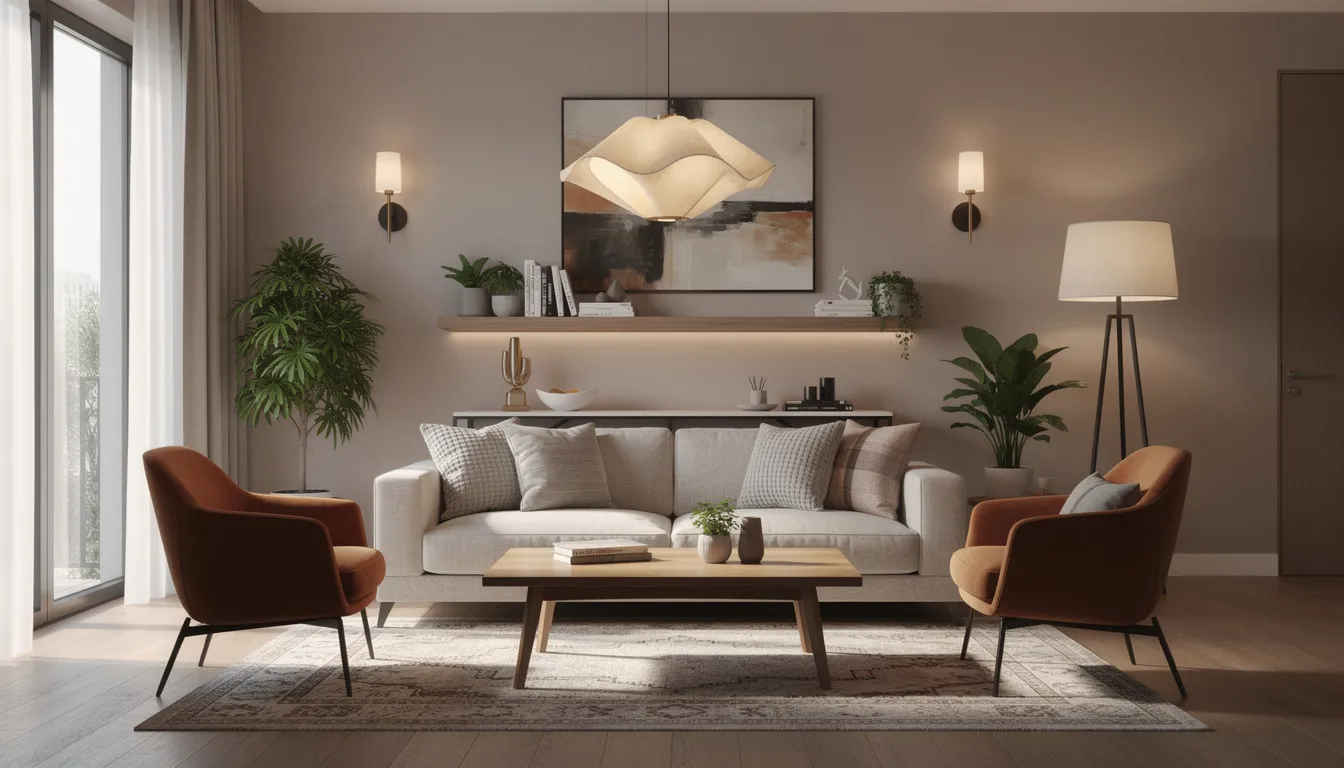
Most living rooms rely too heavily on overhead lighting, which creates harsh shadows and an unwelcoming atmosphere. Professional designers use at least three types of lighting: ambient lighting (general illumination), task lighting (for reading or activities), and accent lighting (for mood and visual interest).
Start with a floor lamp near your primary seating area to provide task lighting for reading. Add a table lamp on a side table or console for ambient light at a different height. String lights or battery-operated LED strips behind furniture or around windows create soft accent lighting for evening relaxation.
You can achieve this layered lighting for under $100 by shopping thrift stores for lamp bases and updating them with new shades, buying budget-friendly floor lamps from big box retailers, and using inexpensive string lights. The key is having multiple light sources, including ambient lighting at different heights rather than expensive individual fixtures.
Replace builder-grade overhead fixtures with oversized statement pieces from thrift stores
Standard builder-grade ceiling fixtures often look cheap and undersized for the space they’re meant to illuminate. Swapping them for larger, more substantial fixtures can dramatically change your room’s perceived value and style.
Thrift stores and estate sales frequently have interesting chandeliers, pendant lights, and ceiling-mounted fixtures that cost a fraction of retail prices. Look for pieces with good bones—you can always spray paint metal parts or replace lamp shades to match your decor style.
When choosing replacement fixtures, err on the side of slightly oversized rather than too small. A fixture should be roughly one-third the width of the surface it hangs over. This proportional relationship makes both the fixture and the room look more substantial and well-designed.
Use 2700K warm LED bulbs to create cozy atmosphere
The color temperature of your light bulbs significantly affects how your room feels. Standard “cool white” bulbs (5000K-6500K) create a harsh, institutional feeling, while warm white bulbs (2700K-3000K) provide the cozy, inviting ambiance found in restaurants and hotels.
Replace all bulbs in your living room with 2700K LED bulbs for consistency. LEDs cost more upfront but last much longer than incandescent bulbs and use significantly less electricity. This small investment immediately makes your space feel more warm and welcoming.
Consider dimmable LED bulbs for fixtures with dimmer switches, allowing you to adjust brightness throughout the day. Bright light works well for cleaning and daytime activities, while dimmed warm light creates the perfect atmosphere for evening relaxation.
Add candles and diffused lighting to enhance relaxation
Candles provide the ultimate accent lighting, creating flickering warmth that no electric light can replicate. Group candles of different heights on coffee tables, mantels, or side tables for visual interest and romantic ambiance during evening hours.
Battery-operated candles offer the same visual appeal without fire safety concerns, making them ideal for homes with children or pets. Many battery candles now feature realistic flickering flames and can be set on timers for automatic operation.
Use lampshades, scarves, or even tissue paper to diffuse harsh light sources temporarily. Soft, diffused light is more flattering to both people and spaces, making everything appear more expensive and well-designed.
Wall Decor and Color
Create large wall art using shower curtains or canvas from thrift stores
Large wall art makes a significant impact but can cost hundreds of dollars when purchased retail. Instead, repurpose oversized shower curtains in different ways as wall hangings by mounting them on wooden dowels or curtain rods. Many shower curtains feature beautiful patterns or solid colors that work perfectly as textile art.
Alternatively, buy large blank canvases from thrift stores and create your own art using paint, fabric, or even contact paper designs. A single large piece often looks more sophisticated than multiple small pieces and costs significantly less than purchasing appropriately scaled artwork.
Frame your DIY art or textile pieces with simple wooden frames from thrift stores, painted to match your decor. This finishing touch makes handmade pieces look intentional and professional rather than obviously DIY.
Paint an accent wall in bold colors like navy blue or Benjamin Moore Wrought Iron
An accent wall creates a focal point without the expense of wallpaper or large art pieces. Choose one wall—typically the one your sofa faces or the wall behind your TV—and paint it in a bold color that complements your overall palette.
Deep, sophisticated colors like navy blue, forest green, or charcoal gray create drama and make a room feel more expensive. These dark colors also provide an excellent backdrop for lighter furniture and decor, making your existing pieces pop visually.
One gallon of quality paint costs $40-60 and can transform your entire room’s personality in a weekend. This high-impact change costs less than most throw pillows but delivers far more visual transformation.
Hang curtains high and wide to make windows appear larger
Window treatments significantly affect how large and bright your room appears, but many people hang curtains incorrectly, making windows look smaller and ceilings lower. Mount curtain rods 6-12 inches above your window frame and extend them 6-12 inches beyond the frame on each side. This approach creates the illusion of high ceilings and a more spacious room, enhancing the overall sense of openness.
This technique makes windows appear larger and allows maximum natural light to enter when curtains are open. Floor-length curtains also draw the eye upward, making ceilings appear higher than they actually are.
Choose curtains in light colors or simple patterns that complement your wall color. Heavy, dark curtains can overwhelm a room and block precious natural light that makes spaces feel larger and more inviting.
Use removable wallpaper for rental-friendly focal points
Peel-and-stick wallpaper allows renters to add pattern and personality without damaging walls or losing security deposits. Use it to create an accent wall behind a bed or sofa, or apply it to a powder room for maximum impact in a small space.
Choose patterns that complement rather than compete with your existing decor. Subtle geometric patterns, textured designs, or soft florals work well as backgrounds for furniture and art. Avoid busy patterns that might overwhelm your space or quickly feel dated.
Removable wallpaper costs $25-50 per roll but can be taken with you when you move, making it a worthwhile investment for renters who want to personalize their living space.
Bedroom: Luxury Hotel Vibes for Less
Bedding and Textiles
Invest in white bed linens from budget retailers like Target for a hotel-like feel
Hotels universally use white bedding because it creates a clean, luxurious appearance and can be bleached for consistent cleanliness. You can achieve this same sophisticated look using affordable white sheets, duvet covers, and pillowcases from retailers like Target or IKEA.
White bedding also serves as a neutral foundation that works with any decor style or color palette. You can change the room’s personality by swapping throw pillows, blankets, or artwork without replacing expensive bedding sets.
Look for 100% cotton or cotton blends in percale or sateen weaves. These fabrics become softer with washing and maintain their appearance longer than cheaper polyester blends. A quality white duvet cover and sheet set costs $50-100 but provides the foundation for a luxury bedroom aesthetic.
Layer different textures with throw blankets and accent pillows
Luxury bedrooms feature multiple textile layers that add visual interest and physical comfort. Start with your white base bedding, then add throw blankets in different textures like chunky knit, faux fur, or woven cotton.
Mix pillow textures and sizes—combine standard pillows with a few smaller decorative pillows in velvet, linen, or faux leather. Limit yourself to 2-3 accent colors that appear in your room’s overall color palette to maintain cohesion.
These soft textures make a bedroom feel more inviting and sophisticated. They also provide practical comfort for reading in bed or adjusting warmth throughout the night. Budget $100-150 for quality throw blankets and accent pillows that will last for years.
Choose curtains that kiss or lightly puddle on the floor
Bedroom curtains should reach the floor to create an elegant, finished appearance. Curtains that hang an inch or two above the floor (called “kissing” the floor) look intentional and tailored, while curtains that extend 1-3 inches past the floor create a luxurious “puddle” effect.
Avoid curtains that stop mid-wall or just below the window sill, as these proportions make ceilings look lower and windows smaller. If ready-made curtains are too short, you can often find longer panels at thrift stores or add fabric to extend existing curtains.
Choose curtains in colors that complement your wall color—either matching tones or soft contrasts that don’t fight for attention. Simple solid colors or subtle patterns work better than busy designs that can overwhelm a restful bedroom space.
Add a properly sized area rug to define the sleeping space
A rug anchors your bed and defines the sleeping area, especially in open floor plans or large bedrooms. The rug should be large enough to extend at least 18-24 inches beyond the sides of your bed, creating a soft landing for your feet when you get up.
If you can’t afford a rug large enough to extend beyond the bed on all sides, position it so it extends beyond the foot of the bed and partway under the sides. This placement still defines the space while requiring a smaller (less expensive) rug.
Natural fiber rugs like jute or cotton work well in bedrooms and cost less than wool options. They also coordinate with most decor styles and can transition easily if you change your bedroom’s color scheme or style in the future.
Storage and Organization
Declutter nightstands and dressers to create serene atmosphere
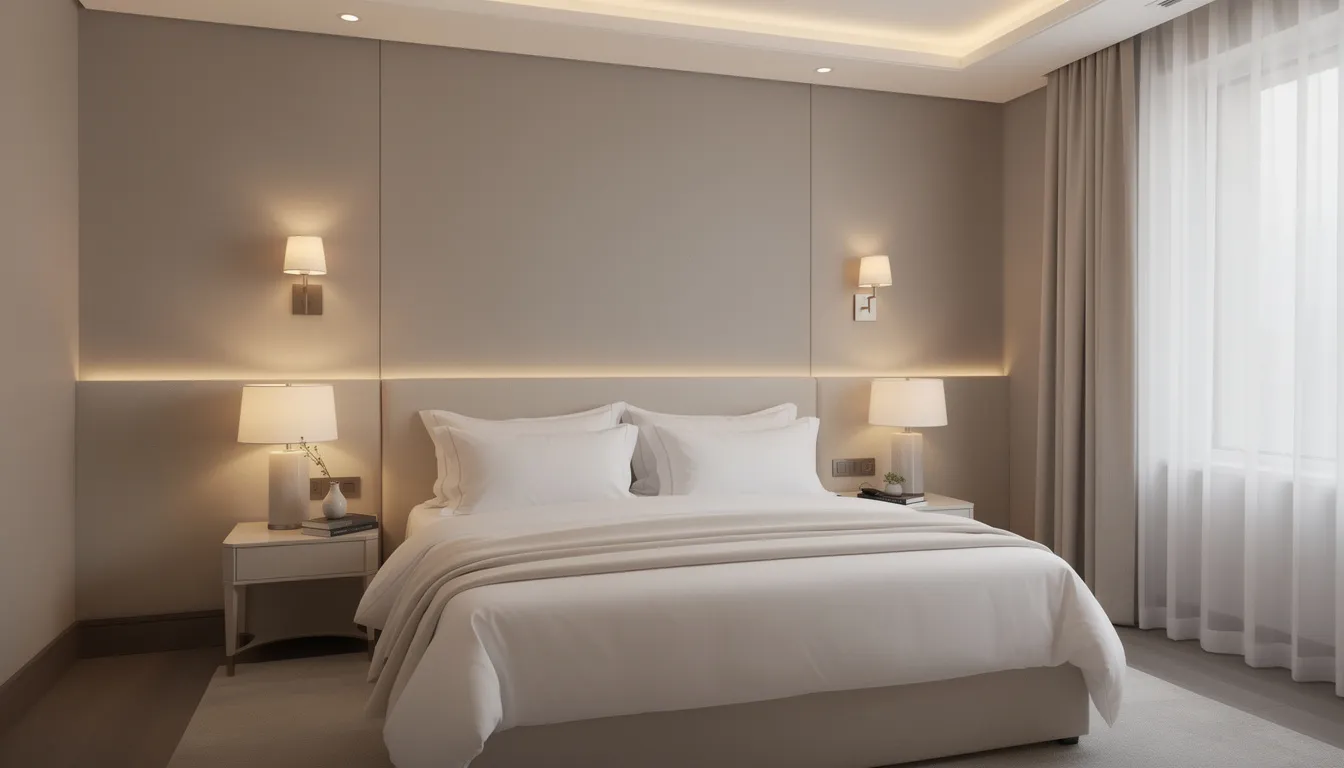
Luxury hotels maintain minimal, clutter-free surfaces that promote relaxation and rest. Apply this principle to your bedroom by keeping nightstands clear except for essential items like a lamp, small plant, or single decorative object.
Store daily-use items like phone chargers, medications, and reading materials in nightstand drawers rather than leaving them on top. This creates clean lines and visual calm that helps your bedroom feel more like a retreat than a storage area.
If you lack drawer space, use small decorative boxes or trays to corral necessary items neatly. This keeps essentials accessible while maintaining the clean, uncluttered appearance that makes bedrooms feel peaceful and sophisticated.
Use decorative baskets from dollar stores for hidden storage
Baskets provide attractive storage for items you need but don’t want visible—extra blankets, seasonal clothing, or personal items. Dollar stores often carry attractive woven baskets that look identical to expensive versions from home decor retailers.
Place baskets under nightstands, in closets, or on shelves to hold items that would otherwise create visual clutter. Choose baskets in neutral colors like natural wicker, black, or white that coordinate with your room’s color palette.
Label baskets discretely if necessary to help family members maintain organization. This storage system costs under $20 but can dramatically reduce visual clutter and help your bedroom feel more serene and organized.
Install floating shelves for books and decor without floor space
Floating shelves provide storage and display space without taking up floor area—crucial in small bedrooms. Mount shelves above nightstands for books and small decor items, or create a gallery wall effect with shelves at different heights.
Style shelves with a mix of books, small plants, and decorative objects in your room’s color palette. Avoid overcrowding—leave some empty space on each shelf to maintain the clean, uncluttered feeling that promotes rest.
Basic floating shelves cost $10-20 each and can be installed with simple brackets. This investment provides both functional storage and visual interest without the floor footprint of traditional furniture pieces.
Repurpose vintage suitcases as under-bed storage
Vintage suitcases from thrift stores and estate sales make attractive storage for seasonal items, extra bedding, or out-of-season clothing. They slide easily under beds and add character when visible, unlike plastic storage boxes that look obviously utilitarian.
Stack suitcases in corners or use larger ones as bench-style seating at the foot of your bed. This dual-purpose approach maximizes function while adding personality to your bedroom decor.
Clean vintage suitcases thoroughly before use and check for any odors or pest issues. Most vintage pieces just need basic cleaning and perhaps new hardware to become beautiful, functional storage solutions.
Kitchen: High-End Updates Under $200
Quick Hardware Upgrades
Replace cabinet knobs and drawer pulls with modern or vintage hardware
Cabinet hardware is one of the most cost-effective kitchen updates available. New knobs and pulls can make dated cabinets look contemporary and expensive for a fraction of the cost of cabinet replacement or refacing.
Choose hardware that complements your kitchen’s existing finishes—brass for warm wood tones, brushed nickel for cool colors, or black for dramatic contrast. Measure your existing hardware carefully to ensure new pieces will fit existing holes, avoiding the need for drilling new holes.
Budget $3-8 per knob and $5-12 per pull for quality hardware. A typical kitchen with 20-30 pieces of hardware can be completely updated for $100-200, creating a dramatic visual transformation that rivals much more expensive renovations.
Update light switch plates and outlet covers to match new hardware
Standard plastic switch plates and outlet covers look cheap and can undermine your kitchen’s overall appearance. Replace them with plates that coordinate with your new cabinet hardware—metal plates in matching finishes create a cohesive, high-end look.
This small detail costs under $30 for most kitchens but makes a big difference in the overall polish and intentionality of your space. Choose plates with clean lines that complement your kitchen’s style rather than ornate designs that might look dated quickly.
Install plates carefully with matching screws for a professional appearance. This simple upgrade takes less than an hour but contributes significantly to your kitchen’s finished, designed appearance.
Install peel-and-stick backsplash tiles for instant sophistication
Backsplashes protect walls from cooking splatters while adding visual interest and perceived value to your kitchen. Peel-and-stick tiles allow renters and DIY novices to achieve this look without tile installation skills or permanent changes.
Choose tiles that complement your countertops and cabinet colors rather than competing with them. Subway tiles, natural stone looks, and geometric patterns work well with most kitchen styles and won’t look dated quickly.
Quality peel-and-stick tiles cost $1-3 per square foot compared to $5-15 for traditional tile installation. A typical backsplash covers 20-30 square feet, making this update achievable for under $100 while providing the visual impact of much more expensive renovations.
Paint cabinet doors in contrasting colors like mushroom taupe or steely gray
If your cabinets have good bones but dated finishes, painting them creates a completely new kitchen appearance for the cost of paint and primer. Choose sophisticated colors that complement your walls and floors rather than trendy colors that might quickly feel dated.
Focus on upper cabinets or lower cabinets only if painting all cabinets feels overwhelming. A two-tone approach with painted uppers and natural wood lowers (or vice versa) looks intentional and sophisticated while reducing the scope of work.
Proper preparation is crucial for durable results—clean thoroughly, sand lightly, and use high-quality primer designed for cabinets. This weekend project costs $100-200 in materials but can make your kitchen look like a completely different space.
Functional Decor
Display cooking utensils in pretty containers instead of hiding them
Functional items can serve as decor when displayed thoughtfully. Use attractive containers like ceramic crocks, glass jars, or metal canisters to hold wooden spoons, spatulas, and other frequently used tools near your stove.
This approach keeps essentials accessible while adding visual interest and personality to your kitchen. Choose containers that coordinate with your color palette and style—rustic pottery for farmhouse kitchens, sleek metal for modern spaces.
Group similar items together and keep containers uncluttered for the most attractive appearance. This functional storage costs less than $50 but makes your kitchen feel more designed and intentional while improving cooking efficiency.
Use glass soap dispensers and apothecary jars for everyday items
Replace plastic bottles and containers with attractive glass alternatives that make everyday items look sophisticated. Glass soap dispensers, oil and vinegar bottles, and storage jars create a cohesive, high-end appearance for minimal cost.
Transfer items like dish soap, hand lotion, and cooking oils into matching glass containers with attractive labels. This creates visual consistency and makes functional items contribute to your kitchen’s overall aesthetic rather than detracting from it.
Shop dollar stores and thrift shops for glass containers, then remove existing labels and add your own minimal labels if desired. This organization system costs under $30 but makes a significant difference in your kitchen’s polished appearance.
Add plants like pothos or herbs on windowsills for natural color
Living plants bring natural color and life to kitchens while serving practical functions. Herbs like basil, rosemary, and thyme provide fresh ingredients while adding beautiful green color to windowsills and counters.
Pothos, snake plants, and other low-maintenance houseplants thrive in kitchen conditions and require minimal care. They add organic shapes and natural materials that soften the hard surfaces typical in kitchen spaces.
Indoor plants cost $5-15 each but provide lasting beauty and air purification benefits. Choose plants appropriate for your available natural light and maintenance preferences to ensure long-term success and continued beauty.
Replace plastic storage containers with glass or ceramic alternatives
Visible storage containers significantly impact your kitchen’s overall appearance. Replace plastic containers with glass jars, ceramic canisters, or attractive metal containers that complement your kitchen’s style and color palette.
Use these containers for items like flour, sugar, coffee, and pasta that you access frequently. The uniform appearance creates visual calm while keeping essentials organized and accessible for cooking.
Shop thrift stores for attractive vintage containers or invest in a matching set from discount retailers. This upgrade costs $50-100 but makes your kitchen counters and pantry areas look organized and intentional rather than cluttered with random packaging.
Bathroom: Spa-Like Serenity
Switch to white towels that can be bleached for hygiene and luxury feel
Hotels use white towels because they can be bleached for sanitation and create a clean, luxurious appearance. Apply this strategy in your own home by replacing mismatched colored towels with white ones in soft, absorbent cotton.
White towels work with any decor style and color scheme, eliminating the need to match towels to changing decor trends and other stuff . They also look fresh and clean longer since stains and discoloration are easily treated with bleach.
Budget $50-80 for a complete set of quality white towels including bath towels, hand towels, and washcloths. This investment creates immediate visual improvement and provides practical benefits for years of use.
Install a large mirror opposite the window to reflect natural light
Mirrors multiply available natural light and make small bathrooms appear larger and brighter. Position the largest mirror possible opposite or adjacent to your bathroom window to maximize light reflection throughout the space.
Large mirrors also create the illusion of more space, making cramped bathrooms feel more open and luxurious. Look for frameless mirrors for modern spaces or add simple frames that complement your bathroom’s hardware and fixtures.
Thrift stores and estate sales often have large mirrors at fraction of retail costs. Clean them thoroughly and reframe if necessary to create custom looks that fit your specific space and style preferences.
Add plants like snake plants or pothos that thrive in humidity
Bathrooms’ humid environment suits many houseplants perfectly, allowing you to add natural color and life to these utilitarian spaces. Snake plants, pothos, and ZZ plants tolerate low light and high humidity while improving air quality.
Place plants on counters, windowsills, or hanging planters to add organic shapes and natural materials to typically hard-surfaced bathroom environments. The living color provides visual warmth and interest without requiring floor space.
Choose plants appropriate for your bathroom’s light levels and commit to basic care routines. Healthy plants cost $10-20 each but provide lasting beauty and natural air purification benefits that enhance your bathroom’s spa-like atmosphere.
Use charcoal bags to absorb unwanted odors naturally
Activated charcoal bags naturally absorb odors and moisture without artificial fragrances or chemicals. Place them discretely behind toilets, under sinks, or in linen closets to maintain fresh air quality in bathroom spaces.
These natural deodorizers work continuously and can be recharged by placing in sunlight monthly. They provide effective odor control without the expense of electric air fresheners or potential irritation from synthetic fragrances.
Charcoal bags cost $10-15 each but last for months with proper care. This natural solution maintains pleasant bathroom atmospheres while supporting the clean, spa-like feeling that makes bathrooms more relaxing and enjoyable.
Replace shower curtain with fabric version hung high and wide
Shower curtains significantly impact your bathroom’s style and perceived size. Choose fabric curtains over vinyl for a more luxurious appearance, and hang them as high and wide as possible to make your shower and entire bathroom appear larger.
Mount curtain rods close to the ceiling and extend them beyond the shower opening on both sides. This technique draws the eye upward and creates the illusion of larger windows and higher ceilings.
Choose curtains that complement your color palette and style—simple patterns or solid colors usually work better than busy designs in small bathroom spaces. This update costs $20-40 but makes a significant difference in your bathroom’s finished appearance.
Organize toiletries in matching containers or baskets
Eliminate visual clutter by transferring toiletries from various packaging into matching containers or organizing them in attractive baskets. This creates visual consistency and makes counters and shower areas look intentional and spa-like, often prompting others to comment on the fresh look .
Use glass pump bottles for liquid soaps and lotions, small jars for cotton balls and swabs, and larger containers for items like Epsom salts or bath bombs. Label containers minimally if necessary for family organization.
Choose containers in colors and materials that complement your bathroom’s existing fixtures and decor. This organization system costs under $50 but dramatically improves your bathroom’s appearance and functionality.
Universal Money-Saving Decorating Strategies
Shopping and Sourcing
Visit estate sales and flea markets for heirloom-quality vintage pieces
Estate sales and flea markets offer opportunities to find unique, high-quality pieces at fractions of retail costs. Focus on items with good bones—solid wood furniture, real brass hardware, quality mirrors, and interesting architectural elements.
Arrive early at estate sales for best selection, but visit flea markets later in the day when vendors may be willing to negotiate prices. Look beyond surface appearance to identify pieces with potential—dated finishes can be updated, but quality construction is irreplaceable.
Bring cash and be prepared to haggle respectfully. Many dealers expect some negotiation and price items with room for discussion. This treasure hunting approach takes time but can yield exceptional pieces that add character and quality to your home.
Join Buy Nothing Facebook groups for free home decor items
Buy Nothing groups connect neighbors who want to give away items they no longer need. These groups frequently feature home decor items, furniture pieces, and household goods that can support your decorating projects without any cost.
Post specific requests for items you need—someone in your neighborhood might have exactly what you’re looking for sitting unused in their garage or storage room. Be prepared to act quickly when interesting items are posted, as popular pieces get claimed rapidly.
Offer items you no longer need in return. This circular giving builds community relationships and often leads to notifications when items matching your interests become available. The only investment is time, making this an excellent strategy for tight budgets.
Shop clearance aisles at TJ Maxx and HomeGoods for designer dupes
Discount retailers like TJ Maxx and HomeGoods carry overstock and discontinued items from higher-end brands at 50-70% off retail prices. Visit regularly since inventory changes frequently, and be prepared to buy items you love immediately since quantities are limited.
Focus on classic pieces rather than trendy items that might quickly look dated. Quality lamps, mirrors, artwork, and decorative accessories from these sources can provide the finishing touches that make rooms look professionally designed.
Use the saved money from these purchases to invest in larger pieces like quality sofas or rugs that aren’t typically available at discount retailers. This high-low mixing strategy maximizes your decorating budget’s effectiveness.
Organize clothing swaps with friends to exchange home decor items
Extend the clothing swap concept to include home decor items, books, small furniture pieces, and household accessories. What feels stale in one person’s home might be exactly what another person needs for their space.
Plan seasonal swaps where participants bring items they’re ready to refresh or change. This approach provides variety and new looks without spending money, while ensuring items find new homes instead of ending up in landfills.
Document swapped items with photos to remember what you’ve given away, preventing accidental repurchasing of similar items later. This social approach to decorating also builds relationships and creates accountability for thoughtful consumption.
DIY and Creative Solutions
Paint existing furniture instead of buying new pieces
Painting furniture allows you to customize pieces to match your exact color palette and style preferences while saving hundreds compared to buying new. Focus on pieces with good structural integrity—wobbly furniture isn’t worth the effort regardless of paint potential.
Clean furniture thoroughly and sand lightly before applying primer designed for the specific material (wood, metal, or laminate). Use high-quality paint designed for furniture to ensure durability and smooth finish that will withstand daily use.
Consider bold colors for accent pieces like nightstands or dining chairs, while keeping larger pieces like dressers in neutral colors that can adapt to changing decor trends. This flexibility extends the useful life of painted furniture beyond single decorating phases.
Create built-in looks using IKEA hacks and basic carpentry skills
IKEA furniture can be modified and combined to create custom built-in appearances at fractions of custom cabinetry costs. Popular hacks include combining multiple pieces for floor-to-ceiling storage, adding trim and molding for finished appearances, and mounting pieces to walls for floating effects.
Research popular hacks online before shopping to understand which base pieces work best for your intended modifications. Plan modifications carefully and ensure you have necessary tools and skills before starting projects.
These projects require time investment and basic DIY skills but can create high-end custom appearances for hundreds rather than thousands of dollars. Document your process for future reference and share successful hacks with other budget decorators.
Repurpose mason jars as flower vases and storage containers
Mason jars from garage sales provide versatile, inexpensive containers for organizing and decorating throughout your home. Use them as flower vases for fresh or dried arrangements, storage containers for small items, and even pendant light fixtures with simple modifications.
Group jars of different sizes for visual interest, or paint them in your accent colors to coordinate with room color palettes. Their classic shape works with most decor styles from farmhouse to industrial to modern.
Buy jars in bulk from warehouse stores or collect them gradually from canned goods purchases. This multipurpose approach provides attractive storage and decor elements for under $20 total investment while supporting organized, clutter-free spaces.
Use drawer pulls as towel bars in small spaces
Standard towel bars can feel overwhelming in tiny bathrooms or powder rooms. Single drawer pulls mounted on walls provide towel hanging space without visual bulk, maintaining clean lines in compact spaces.
Choose pulls that coordinate with your bathroom’s existing hardware for consistent styling. Mount them at appropriate heights for hand towel access, considering both adult and child users if necessary.
This space-saving solution costs under $10 per pull compared to $30-50 for traditional towel bars, while providing the exact amount of hanging space needed for your specific bathroom layout and usage patterns.
Natural Materials and Scents
Incorporate real wood, marble, leather, and brass through thrift finds
Natural materials immediately elevate any space’s perceived quality and sophistication. Hunt thrift stores and estate sales for real wood furniture pieces, genuine leather accessories, brass candlesticks or trays, and marble cutting boards or decorative objects.
These materials develop beautiful patina with age, making vintage pieces often more attractive than new alternatives. Clean and condition natural materials properly to restore their beauty and ensure longevity in your home.
Mix natural materials thoughtfully—too many different textures can feel chaotic. Choose 2-3 natural materials that complement your color palette and repeat them throughout your space for cohesion and sophistication.
Use essential oil diffusers and wax melts for pleasant home fragrance
Creating signature scents for your home enhances the sensory experience and makes spaces feel more luxurious and welcoming. Essential oil diffusers and wax warmers provide customizable fragrance without the expense of luxury candles.
Choose scents that complement each room’s function—energizing citrus for kitchens and bathrooms, relaxing lavender for bedrooms, warm vanilla or cedar for living spaces. Avoid overwhelming scents that might conflict with cooking aromas or feel too strong in small spaces.
Budget $30-50 for a quality diffuser and essential oils that will provide months of use. This investment creates a spa-like atmosphere that makes your home feel more expensive and thoughtfully designed.
Add fresh or realistic faux flowers for instant room refresh
Fresh flowers provide immediate color and life to any room, while high-quality faux alternatives offer lasting beauty without maintenance. Choose flowers that complement your color palette rather than competing with existing decor for attention.
Use flowers to fill empty corners, brighten dark spaces, or add seasonal color that can be changed throughout the year. Simple arrangements in attractive vases often work better than complex displays that require constant maintenance.
Budget flowers from grocery stores cost $5-10 per arrangement but provide week-long beauty. Quality faux flowers require larger initial investment ($20-40 per arrangement) but provide lasting color and eliminate ongoing replacement costs.
Choose natural fiber rugs that can transition between seasons
Natural fiber rugs like jute, sisal, and cotton work with multiple seasons and decor styles while costing less than wool alternatives. Their neutral colors complement changing seasonal decor without requiring replacement when you refresh other room elements.
These rugs also hide dirt better than light synthetic alternatives and can often be cleaned more easily. Their texture adds visual interest and organic elements that soften hard flooring surfaces without being super expensive .
Invest in the largest size that fits your space and budget—properly scaled rugs make furniture arrangements look more substantial and rooms appear larger. A quality natural fiber rug provides foundation for years of decorating changes.
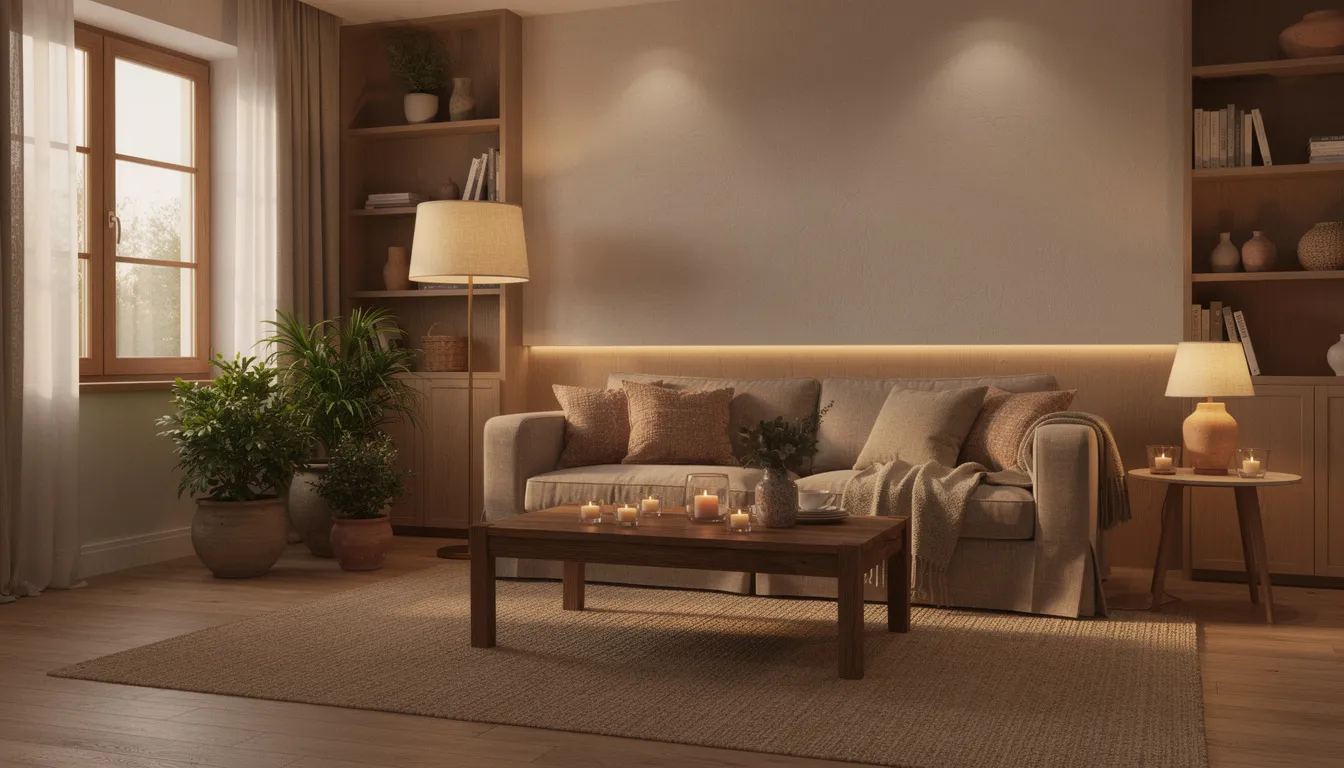
Transforming your home beautiful through the art of decorating without overspending requires patience, planning, and strategic thinking rather than unlimited budgets. By focusing on high-impact changes like paint and lighting, sourcing quality pieces secondhand, and mixing DIY projects with careful purchases, you can create beautiful spaces that reflect your personality without financial stress.
Start with one room and apply these principles systematically. Remember that beautiful homes develop over time through thoughtful choices rather than rushed purchases. Every small improvement builds toward a more cohesive, intentional living space that feels like home.
Whether you’re working with a $200 monthly budget or planning larger quarterly investments, these room-by-room strategies will help you make the most of every dollar while creating spaces you love to spend time in. The key is maintaining focus on your overall vision while celebrating the learning experience of creating a home that truly reflects who you are.
Happy decorating!