The Comprehensive Guide to Bathroom Remodeling
Everything you need to plan, budget, and execute a bathroom remodeling project — from permits to final finishes.
The Comprehensive Guide to Bathroom Remodeling
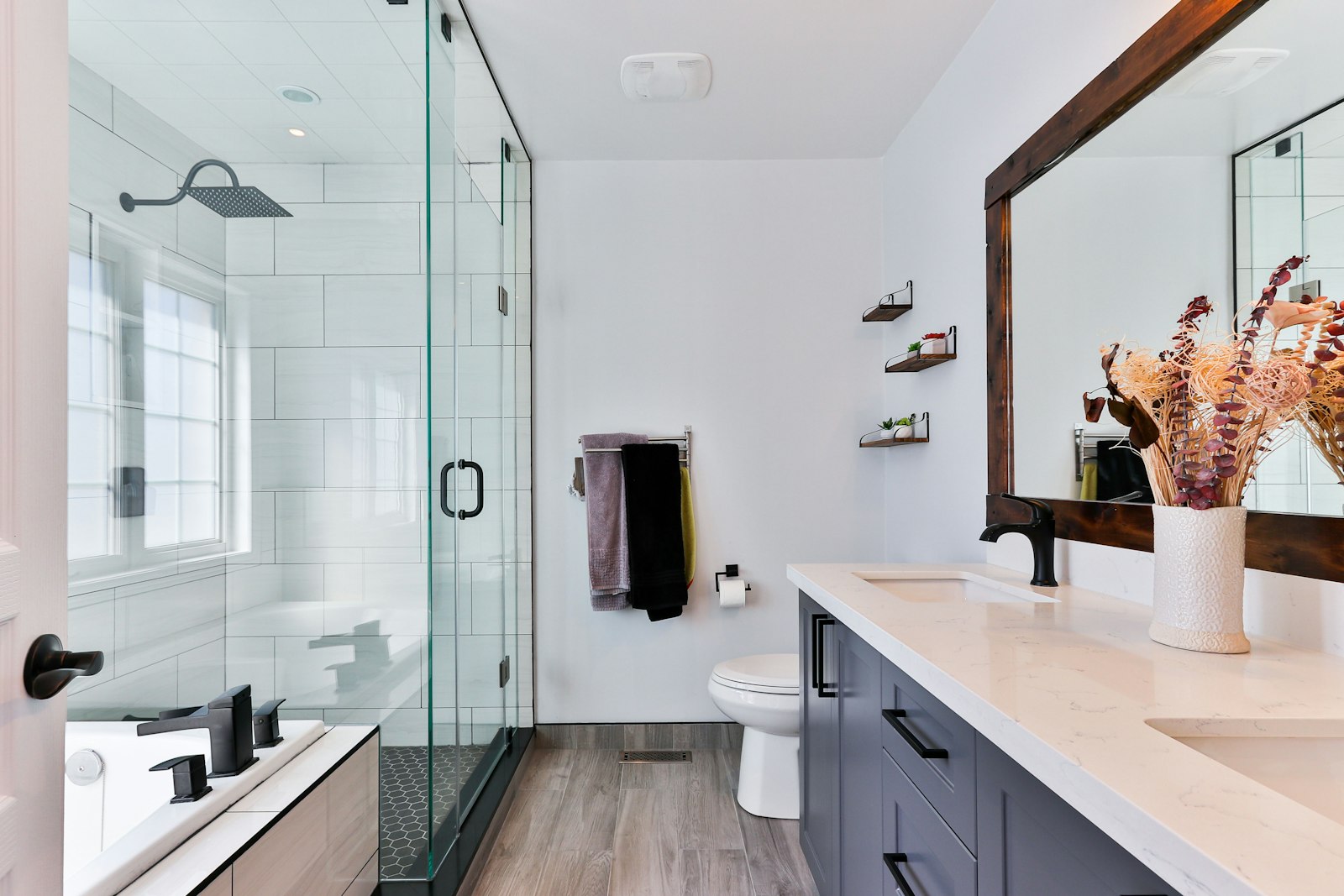
A bathroom remodel is one of the most rewarding home improvement projects you can take on — and one of the easiest to get wrong if you skip the planning stage. Whether you're turning a cramped, dated powder room into something you actually enjoy using, or gutting a master bath for a full spa-style overhaul, the fundamentals are the same. Understand your budget, know what requires a permit, hire the right people, and make material decisions before demolition starts — not during.
This bathroom remodeling guide walks you through every stage of the process: setting realistic expectations, navigating permits and inspections, choosing finishes, managing contractors, and avoiding the mistakes that blow timelines and budgets. If you've been staring at your peeling grout wondering where to even start, you're in the right place.
By the time you finish reading, you'll have a clear picture of what a renovation actually involves, what it costs at various levels, and how to make decisions that hold up years down the road — not just look good in a showroom.
Key Takeaways
- A mid-range bathroom remodel costs between $10,000 and $25,000; full high-end renovations can exceed $40,000.
- Most bathroom renovations take 2–4 weeks from demo to completion, depending on scope and whether plumbing moves.
- Permits are required for plumbing, electrical, and structural work in almost every jurisdiction — skipping them creates problems at resale.
- Keeping plumbing in its existing location is one of the easiest ways to stay on budget.
- Tile, vanity, and lighting choices should be finalized before work begins, not after walls are open.
- Hiring a licensed general contractor for full remodels pays off in coordination, accountability, and code compliance.
Why Bathroom Renovations Are Worth the Investment
Bathrooms are used multiple times a day by every person in the house. That kind of daily wear matters. Outdated or failing bathrooms aren't just an aesthetic problem — they can hide water damage, inefficient plumbing, and poor ventilation that leads to mold. A well-executed renovation addresses all of it.
From a resale standpoint, bathroom remodels consistently rank among the top return-on-investment projects in real estate. Mid-range bathroom remodels typically recoup around 60–70% of their cost at resale, according to industry data. That's not the whole investment back, but it's meaningful — especially when you factor in the years of daily enjoyment before you ever sell.
The other reason to renovate? Modern fixtures and layouts are simply more functional. A double vanity, a walk-in shower with a bench, or even just better storage can change how your morning routine feels. Small rooms can have a big impact on daily quality of life.
How to Set a Realistic Bathroom Remodel Budget
Budgeting is where most homeowners stumble. People see an inspiration photo on a design site, fall in love with the look, and then discover the tile alone costs $35 per square foot. Setting a realistic budget before you look at finishes prevents a lot of heartbreak.
Here's a rough breakdown of where money goes in a typical mid-range bathroom remodel:
| Category | Estimated Cost | % of Total Budget |
|---|---|---|
| Labor (contractor, plumber, electrician) | $4,000–$10,000 | 40–50% |
| Tile (floor + walls) | $1,500–$5,000 | 10–20% |
| Vanity + sink | $500–$3,000 | 8–15% |
| Toilet | $200–$800 | 2–5% |
| Shower/tub | $1,000–$6,000 | 10–20% |
| Lighting + electrical | $500–$2,000 | 5–10% |
| Permits + inspections | $200–$800 | 2–4% |
| Miscellaneous/contingency | $1,000–$2,500 | 10% |
A good rule of thumb: set aside 10–15% of your total budget as a contingency. Bathrooms hide surprises behind their walls — old pipes, subfloor rot from years of slow leaks, outdated wiring. You want money available to handle those without derailing the whole project.
For deeper budgeting strategies that apply across renovation projects, how to budget for a kitchen renovation covers a lot of the same financial principles and planning frameworks that translate directly to bathroom work.
Understanding Bathroom Remodel Permits and When You Need Them
Permits aren't bureaucratic hassle for the sake of it. They exist to make sure the work is done safely and up to code — and they protect you when you sell your home. Unpermitted work can kill a sale or require expensive remediation before closing.
So what triggers a permit requirement? Almost anything that touches plumbing, electrical systems, or structural elements. Moving a toilet, adding a new circuit for a heated floor, relocating a shower drain — all of these typically require permits. Cosmetic work like repainting, replacing a faucet, or swapping out light fixtures generally doesn't.
The process varies by municipality, but typically looks like this:
- Submit plans to your local building department (your contractor usually handles this)
- Receive permit approval — can take days to weeks depending on your city
- Begin work once permit is posted on site
- Schedule inspections at key milestones (rough plumbing, rough electrical, final)
- Receive final sign-off once all inspections pass
Always ask your contractor whether permits are included in their scope. A contractor who discourages permits to "save time" is a red flag — not a convenience.
Choosing Your Bathroom Layout: What Can Move and What Shouldn't
The layout question is really a plumbing question. Plumbing is the most expensive thing to move in a bathroom. If you can keep your toilet, sink, and shower in their existing locations — or close to them — you'll save $2,000 to $5,000 or more compared to rerouting drains through concrete or floor joists.
That said, sometimes a layout change is worth it. A cramped galley bathroom that becomes a functional double-vanity space can meaningfully improve daily life and add real value. The key is making that call consciously, with a clear-eyed view of the cost, not discovering mid-demo that the drain can't move without a major plumbing overhaul.
When evaluating layouts, think about:
- Door swing — a door that hits the toilet or opens into the shower is a daily frustration
- Natural light — windows are hard to move, so design around them
- Ventilation — proper exhaust fan placement matters for moisture control
- Storage — recessed niches, medicine cabinets, and linen closets are often afterthoughts but should be planned from day one
Selecting Materials: Tile, Vanities, and Fixtures
Material selection is where design meets budget reality. There's no universally "right" choice — it depends on your aesthetic, your traffic level, and how long you plan to stay in the home.
Flooring and Wall Tile
Porcelain tile is the workhorse of bathroom floors. It's waterproof, hard-wearing, and available at every price point. Natural stone like marble looks stunning but requires sealing and is more prone to staining. Ceramic tile is budget-friendly but slightly more porous than porcelain. Large-format tiles (24x24 or bigger) create a sleeker look and fewer grout lines to clean, though they require a very flat substrate.
| Tile Type | Cost/sq ft (installed) | Durability | Maintenance |
|---|---|---|---|
| Ceramic | $5–$12 | Good | Low |
| Porcelain | $8–$20 | Excellent | Low |
| Natural Stone (marble, travertine) | $15–$40+ | Medium | High (requires sealing) |
| Luxury Vinyl Tile | $4–$10 | Good | Very Low |
Vanities
The vanity is often the focal point of a bathroom, and costs vary wildly. A stock vanity from a home improvement store runs $200–$800. Semi-custom options from a cabinetmaker or specialty retailer land between $800 and $2,500. Fully custom built-ins can exceed $5,000. For a full breakdown of what affects vanity pricing, bathroom vanity costs: a homeowner's pricing guide covers material types, installation factors, and where to find value.
Fixtures and Hardware
Faucets, towel bars, toilet paper holders, and shower hardware are easy places to either overspend or make something look cheap. Matching your metal finish (brushed nickel, matte black, polished chrome) across all hardware creates a cohesive look without requiring expensive individual pieces. Budget $300–$800 for a full set of coordinated fixtures in a mid-range renovation.
Bathroom Lighting: More Important Than Most People Realize
Lighting is one of the most underestimated parts of a bathroom renovation. Bad bathroom lighting — that single overhead fixture casting shadows on your face — makes even expensive tile and a gorgeous vanity look mediocre.
Good bathroom lighting uses layers: ambient light for general illumination, task lighting on either side of the mirror for grooming (not above it, which creates unflattering shadows), and accent lighting for atmosphere. A dimmer switch on at least the overhead fixture is an easy upgrade that costs almost nothing to add during a remodel.
For specific fixture recommendations and design strategies, best bathroom lighting ideas for any style is a great resource to explore alongside your material selections — ideally before you finalize your electrical plan.
"The most common mistake I see homeowners make is treating lighting as an afterthought. Once your tile is in and your vanity is set, it's expensive to go back and add recessed lights or change fixture placement. Decide on your lighting plan before drywall goes up." — Licensed Electrical Contractor, 18 years in residential renovation
Hiring the Right Professionals for Your Bathroom Remodel
For a full bathroom gut renovation, a general contractor is almost always worth the cost. They coordinate the sequence of trades — plumber, electrician, tile setter, painter — so work happens in the right order and nobody is waiting on someone else. That coordination has real value, especially if you can't be on-site every day.
For smaller scopes — retiling a shower, replacing a vanity, upgrading fixtures — individual tradespeople or a handyman can be more cost-effective. The key is matching the hiring approach to the scope of work.
When interviewing contractors:
- Ask for a detailed written scope of work, not just a lump-sum number
- Verify licensing and insurance — both general liability and workers' comp
- Ask specifically who pulls the permits and who manages inspections
- Get at least three quotes, and be skeptical of any bid that's dramatically lower than the others
If you're working with a designer on your bathroom layout and finish selections, how to hire an interior designer walks through the process of finding the right design professional and structuring that relationship effectively.
The Renovation Timeline: What to Expect Week by Week
A typical bathroom remodel follows a predictable sequence. Knowing this helps you set realistic expectations and avoid pressuring your contractor to skip steps.
Week 1: Demolition and rough work Demolition takes a day or two. Then plumbing and electrical rough-in happens — this is when pipes are moved or added and wiring is run before walls are closed. Inspections for rough plumbing and electrical happen at the end of this phase.
Week 2: Waterproofing and tile Waterproofing the shower area is non-negotiable and must be done properly before any tile goes up. Tile installation — floor, walls, and shower surround — is the most time-consuming phase. Large-format tile or complex patterns take longer.
Week 3: Fixtures and finishes Vanity installation, toilet setting, shower door or frameless glass installation, lighting fixtures, and hardware. Paint happens here too.
Week 4: Punch list and final inspection Your contractor walks through a punch list of small items to address. Final inspection happens, and once that's approved, the project is complete.
More complex projects — moving plumbing significantly, adding radiant floor heat, custom tile work — can add another 1–2 weeks. Water damage or structural surprises found during demo can extend things further.
Common Bathroom Remodel Mistakes (and How to Avoid Them)
Even well-intentioned renovations go sideways. Here are the mistakes that come up most often:
Choosing materials after demo starts. Your tile, vanity, and fixtures need to be ordered and on-site — or at least confirmed and in stock — before demolition begins. Lead times on specialty tile or custom vanities can run 6–12 weeks. Starting demo before materials are secured creates costly delays.
Skimping on waterproofing. The shower surround and floor need proper waterproof membrane systems, not just water-resistant drywall. Cutting corners here leads to mold, rot, and a complete redo 5–7 years later. This isn't where you save money.
Ignoring ventilation. A bathroom exhaust fan isn't optional — it's required by code in most places, and for good reason. An undersized fan in a steamy shower room leads to moisture damage, peeling paint, and mold growth. Match the fan's CFM rating to your room size.
Moving plumbing unnecessarily. It's tempting to completely reconfigure the layout, but every foot of pipe you move adds real cost. Think carefully about whether the layout change is worth it before committing.
Not planning for storage. Recessed shower niches, medicine cabinets with mirrored doors, and under-vanity drawers need to be planned during layout, not added as an afterthought. If your walls are closing up and you haven't thought about where things go, you've missed your window.
The same disciplined thinking applies to other large renovation projects — the ultimate guide to kitchen remodeling covers analogous planning and sequencing principles that are worth reviewing if you're tackling multiple spaces.
Summary
- A successful bathroom remodel starts with a realistic budget — typically $10,000–$25,000 for a mid-range project — and a 10–15% contingency for surprises.
- Permits are required for plumbing, electrical, and structural changes in nearly every jurisdiction; don't skip them.
- Keep plumbing in existing locations when possible to control costs; moving drains and supply lines is expensive.
- Finalize all material selections — tile, vanity, fixtures, lighting — before work begins to avoid delays.
- Hire a licensed general contractor for full renovations; verify licensing, insurance, and permit responsibilities upfront.
- Good lighting and proper waterproofing are two areas where investment always pays off.
Frequently Asked Questions
Written by
Bari Decor
Bari Decor — Industry Insights
Need a Professional for Your Project?
Get matched with verified home design professionals in your area.
Get Free Quotes