
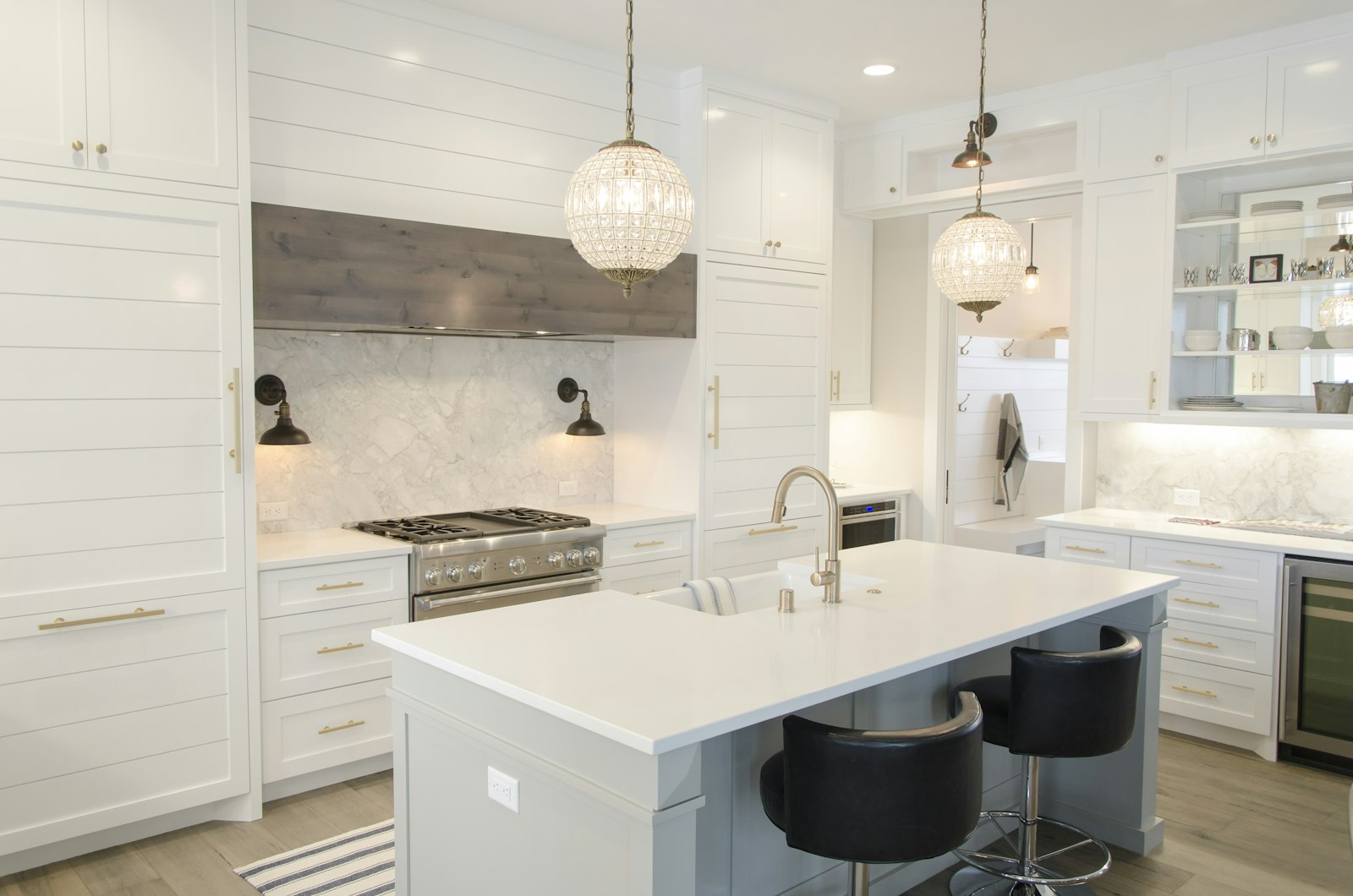
How to Budget for a Kitchen Renovation
Learn how to build a realistic kitchen renovation budget — with smart tips on labor, materials, and avoiding costly surprises.
How to Budget for a Kitchen Renovation
A kitchen renovation is one of the most valuable upgrades you can make to your home — and one of the easiest to overspend on. Most homeowners go in with a rough number in mind, hit the first unexpected cost, and watch the whole plan unravel. Building a solid kitchen renovation budget before a single cabinet is touched makes the difference between a project you're proud of and one that stalls halfway through.
The good news? You don't need to be a contractor or a spreadsheet wizard to get this right. What you need is a clear process: know what you're working with, understand where the money actually goes, and build in room for the surprises that always come up. This guide walks you through exactly that — step by step, with real numbers.
Whether you're planning a modest refresh or a full gut-and-rebuild, the principles here apply. By the end, you'll know how to set a realistic number, allocate it wisely across labor and materials, and avoid the most common budgeting mistakes homeowners make.
Key Takeaways
- A mid-range kitchen renovation typically costs $15,000–$45,000; full high-end remodels can exceed $80,000
- Labor usually accounts for 30–50% of your total budget — don't underestimate it
- Always set aside a 10–20% contingency fund for unexpected structural or electrical issues
- Cabinets and countertops together often eat up 40–50% of material costs — prioritize accordingly
- Getting at least 3 contractor quotes before committing can save you thousands
- Keeping the existing layout (not moving plumbing or gas lines) is one of the biggest ways to control costs
What Does a Kitchen Renovation Actually Cost?
Let's start with real numbers, because vague ranges don't help anyone plan. For a typical U.S. kitchen (roughly 200–300 sq ft), here's what you can expect to spend depending on the scope:
| Renovation Scope | Typical Cost Range | What's Included |
|---|---|---|
| Minor Refresh | $5,000–$15,000 | Paint, hardware, new appliances, lighting |
| Mid-Range Remodel | $15,000–$45,000 | New cabinets, countertops, flooring, fixtures |
| High-End Renovation | $45,000–$100,000+ | Custom everything, layout changes, premium materials |
| Full Gut Renovation | $75,000–$150,000+ | Structural changes, new plumbing/electrical, luxury finishes |
These numbers assume a standard-sized kitchen in an existing home. Costs vary significantly by region — a renovation in San Francisco or New York City might run 30–50% higher than the same project in the Midwest or South. Always get local quotes.
For a deeper look at the full scope of what a renovation involves beyond just the budget, the ultimate guide to kitchen remodeling is a solid starting point that covers the entire process from planning through final installation.
How to Break Down Your Budget by Category
One of the most common mistakes is treating a renovation budget as one lump sum. In practice, it's made up of several distinct spending categories — and each one has its own logic.
Here's a reasonable allocation framework for a mid-range remodel:
| Category | % of Total Budget | Example (on a $30,000 budget) |
|---|---|---|
| Cabinets | 25–35% | $7,500–$10,500 |
| Labor | 30–50% | $9,000–$15,000 |
| Countertops | 10–15% | $3,000–$4,500 |
| Appliances | 10–15% | $3,000–$4,500 |
| Flooring | 5–10% | $1,500–$3,000 |
| Plumbing & Electrical | 5–10% | $1,500–$3,000 |
| Lighting & Fixtures | 3–5% | $900–$1,500 |
| Contingency (10–20%) | 10–20% | $3,000–$6,000 |
Notice that labor alone can be nearly half your total spend. This surprises a lot of homeowners who focus almost entirely on material choices. The tile, the cabinets, the countertops — those are the fun decisions. But skilled tradespeople (plumbers, electricians, carpenters, general contractors) are expensive, and rightfully so.
The Labor Question: DIY vs. Hiring a Pro
Can you save money by doing some of the work yourself? Yes — but only in specific areas, and only if you actually know what you're doing. Painting cabinets, installing hardware, even laying certain types of flooring are reasonable DIY tasks for a capable homeowner. Anything involving plumbing, gas lines, or electrical work is a different story entirely. Mistakes there aren't just costly — they're dangerous.
A general contractor will typically charge 10–20% of the total project cost to manage the job. That fee covers scheduling, coordinating subcontractors, handling permits, and being accountable for the outcome. For complex renovations, it's usually worth it. For a simpler refresh where you're managing a few vendors yourself, you might skip the GC and save that fee.
Either way, get at least three quotes before hiring anyone. Bids can vary wildly — sometimes by $10,000 or more on the same scope of work. If you're new to hiring contractors, this guide on how to hire an interior designer covers the vetting process in detail, and many of the same principles apply when evaluating renovation contractors.
"The biggest budget mistakes I see are homeowners skipping the contingency fund and underestimating demo costs. Walls open up and you find old wiring, water damage, outdated plumbing — it happens on almost every job. Budget for it upfront, and you won't panic when it does." — Marcus Webb, Licensed General Contractor
Choosing Materials Without Blowing the Budget
Materials are where the fun is — and where costs can spiral fast if you're not careful. The key is knowing which materials actually affect how the kitchen feels and performs long-term, and where you can reasonably cut corners.
Countertops are a great example. The difference between a $40/sq ft laminate and a $150/sq ft quartzite slab is enormous on paper. But a high-quality quartz at $60–$90/sq ft gives you durability, low maintenance, and great aesthetics at a much more reasonable price point. For a full breakdown of what each material actually costs and how they compare in durability, the kitchen countertop materials comparison is worth reading before you commit to anything.
Cabinets are often the single biggest material line item. Stock cabinets from big-box stores run $60–$200 per linear foot installed. Semi-custom cabinets push that to $150–$650 per linear foot. Full custom? You're looking at $500–$1,500+ per linear foot. For most mid-range renovations, semi-custom hits the sweet spot between quality and cost.
Where to Splurge vs. Save
Not every surface needs to be premium. Here's a simple framework:
- Splurge on: Countertops (daily use, highly visible), cabinets (longevity matters), appliances (reliability and resale value)
- Save on: Cabinet hardware (easy to upgrade later), tile backsplash (labor, not material, drives cost here), light fixtures (trends change fast)
Understanding the Hidden Costs
The sticker price on materials and labor is rarely the full story. Here are the costs that catch homeowners off guard:
Permits: Most structural changes, electrical upgrades, and plumbing moves require permits. Fees vary by municipality but typically run $500–$2,000 for a kitchen remodel. Skipping permits to save money can create serious problems when you sell.
Demolition and disposal: Tearing out old cabinets, flooring, and drywall takes time and creates debris. Budget $500–$2,000 for demo labor and dumpster rental, depending on the scope.
Structural surprises: Open up a wall and you might find old knob-and-tube wiring, water damage, or inadequate insulation. This is exactly why that 10–20% contingency fund isn't optional — it's essential.
Temporary kitchen setup: A full renovation means no functional kitchen for 3–8 weeks. Budget for takeout, a mini fridge, and a microwave cart. Small cost, but easy to forget.
A Step-by-Step Budgeting Process
Here's how to build your kitchen renovation budget from scratch:
- Define your scope → Decide what's changing: layout, cabinets, countertops, appliances, flooring, or all of the above
- Set your ceiling → Determine the maximum you can spend — and stick to it as a hard limit
- Get contractor quotes → Collect at least 3 bids; use them to reality-check your expectations
- Allocate by category → Use the percentage framework above to distribute your budget across labor and materials
- Price out materials → Visit showrooms, check online retailers, get specific quotes for countertops and cabinets
- Add your contingency → Add 10–20% on top of your estimated total, not inside it
- Track spending weekly → Use a simple spreadsheet to compare planned vs. actual costs throughout the project
The goal isn't a perfect budget — it's a realistic one. Expect it to flex. The tracking step is what keeps small overages from becoming large ones.
How to Keep Costs Down Without Sacrificing Quality
There's a real difference between being cheap and being strategic. Cheap means buying the lowest-cost option everywhere, which usually leads to regret. Strategic means knowing where quality matters and where it doesn't.
One of the highest-impact cost-saving moves is keeping your existing layout. Moving the sink to the other wall sounds simple, but it involves rerouting plumbing — a change that can add $1,500–$5,000 to your bill before you've touched anything else. Same goes for moving gas lines for a range. If your current layout is functional, work with it.
Buying appliances as a package from a single retailer often unlocks bundle discounts — sometimes 10–15% off compared to buying each piece separately. Timing matters too. Late winter and early spring tend to be slower seasons for contractors, which means more competitive pricing and better availability.
Finally, don't underestimate the value of planning thoroughly before construction starts. Every change order — a decision you make mid-project that wasn't in the original plan — costs more than if you'd decided upfront. Design decisions made on the fly while a crew is standing there are expensive decisions.
Summary
- A realistic kitchen renovation budget starts with understanding the full cost breakdown — labor, materials, permits, and a mandatory contingency fund
- Labor typically runs 30–50% of your total spend; don't plan around material costs alone
- Keeping your existing layout and being strategic about where you splurge are the two most effective ways to control costs
- Always get multiple contractor quotes and track spending throughout the project
- Unexpected costs are normal — build a 10–20% buffer in from the start, not as an afterthought
Frequently Asked Questions
Written by
Bari Decor
Bari Decor — Industry Insights
Need a Professional for Your Project?
Get matched with verified home design professionals in your area.
Get Free Quotes